I’ve resisted a bit writing about this topic, out of fear of being too clichè—but also because it can be argued that what I’m going to talk about is a given, proven time and again throughout history. And yet, with the realities we—as Palestinians and as human beings within our struggle for liberation—are facing, it becomes all the more important to remind ourselves that our existence can manifest itself through our continuous artworks, in their various forms.
In a world that constantly tries to reduce us to numbers, headlines, and footnotes, poetry insists on our full humanity. It is our artistic and cultural thumbprint: a living archive that can challenge, unsettle, and even debunk the colonial powers’ narrative—especially when those powers have so often been the only ones allowed to dictate what will be written in the future’s history books… when they can.
Whenever I think about resisting or defying injustice when you are completely powerless, probably the grimmest example I know is people at Auschwitz inverting the “B” in the infamous “Arbeit macht frei” (“Work sets you free”) sign at the entrance of the camp—a subtle last and final act of defiance.
A small act of defiance can be the differentiating factor between being subservient—between giving up and accepting a miserable ending—and not breaking. And sometimes, not breaking is the only way you can actually defeat your oppressor.
The entrance to Auschwitz concentration camp ca. 1945
I find it especially significant, culturally, when it comes to poetry. Poetry has always been that transcendent art form—one that can alleviate our existential dread in this life and this world. It has portrayed the human condition with a spin of beauty, and when things got darker, then maybe even with some irony. It has proven to us that even as we face death, even as we are threatened with extermination, we can still dream. We can still resist—simply by immortalizing our words.
In this short article, I’ll introduce a few translated poems, or excerpts from longer poems, that amplify this idea: resistance under oppression.
Enemy of the Sun by Samih al-Qasim
I may – if you wish – lose my livelihood I may sell my shirt and bed. I may work as a stone cutter, A street sweeper, a porter. I may clean your stores Or rummage your garbage for food. I may lie down hungry, O enemy of the sun, But I shall not compromise And to the last pulse in my veins I shall resist.
You may take the last strip of my land, Feed my youth to prison cells. You may plunder my heritage. You may burn my books, my poems Or feed my flesh to the dogs. You may spread a web of terror On the roofs of my village, O enemy of the sun, But I shall not compromise And to the last pulse in my veins I shall resist.
You may put out the light in my eyes. You may deprive me of my mother’s kisses. You may curse my father, my people. You may distort my history, You may deprive my children of a smile And of life’s necessities. You may fool my friends with a borrowed face. You may build walls of hatred around me. You may glue my eyes to humiliations, O enemy of the sun, But I shall not compromise And to the last pulse in my veins I shall resist.
O enemy of the sun The decorations are raised at the port. The ejaculations fill the air, A glow in the hearts, And in the horizon A sail is seen Challenging the wind And the depths. It is Ulysses Returning home From the sea of loss
It is the return of the sun, Of my exiled ones And for her sake, and his I swear I shall not compromise And to the last pulse in my veins I shall resist, Resist—and resist.
Promises from the Storm by Mahmoud Darwish
Let it be… I might as well refuse death, to burn away the tears of weeping songs, to strip the olive tree of every false and borrowed branch.
And if I sing of joy behind the eyelids of frightened eyes, it is because the storm has promised me wine, and fresh toasts, and rainbows.
Because the storm has swept away the dull voices of the birds, and torn the borrowed branches from the steadfast little trees.
Let it be… I must take pride in you, O wound of the city — you, a streak of lightning painted across our sorrowed nights.
The street may scowl in my face, but you shield me from its shadows and its stares of spite.
And so I will sing of joy behind the eyelids of frightened eyes — for since the storm has risen in my land, it has promised me wine, and rainbows.
Children of the Stones by Nizar Qabbani (an excerpt)
They dazzled the world— with nothing in their hands but stones. They shone like lanterns, came like good tidings. They resisted… exploded… fell as martyrs…
And we remained— polar bears, skins thick against the heat.
They fought for us, until they were slain. And we sat in our cafés— like spit inside a shell.
One of us searches for a trade, one begs for a new billion, a fourth wife, with breasts sculpted by civilization.
One hunts for a mansion in London, one trades in weapons, one drinks away his vengeance in bars, one dreams of throne, army, and emirate.
Ah— O generation of betrayals, generation of waste, generation of prostitution—
You shall be swept away— no matter how slow history may seem— by the children of the stones.
For the sake of remembrance, I would like to end this article with a poem by a martyred poet from Gaza. It is not, strictly speaking, a poem about resistance—but it reminds us why we need hope in our lives, even when everything feels bleak.
Not Just Passing by Hiba Abu Nada (translated by Huda Fakhreddine)
Yesterday, a star said to the little light in my heart, We are not mere passersby. Do not die. Beneath this glow some wanderers go on walking.
You were first created out of love, so carry nothing but love to those who are trembling.
One day, all gardens sprouted from our names, from what remained of the hearts of lovers.
Since the inception, this ancient language has taught us how to heal others with our yearning
how to be a heavenly sent to relax their tightening lungs: a welcome sigh, a gasp of oxygen.
Gently, we pass over wounds, like gauze, a hint of relief, an aspirin.
O little light in me, don’t die, even if all the galaxies of the world grew narrow… say: Enter my heart in peace. All of you, come in!
Interested in our work? Would you like to help us organize, write, or take part in solidarity efforts? We would be glad to have you join us at Tadamun. Resistance requires action.
Israel has been occupying and fragmenting Palestinian land for decades, enforcing an apartheid and racial regime on Palestinians – whether in the interior, the West Bank or Gaza. Israel’s genocide in Gaza is not a rupture but a brutal escalation in the ongoing Nakba of Palestine.
But Palestinians have always resisted. Through resistance they affirm their collective right to the land and to self-determination. Palestinians are not passive “humanitarian victims”; their suffering has organisers, profiteers and political backers in the West and in the East.
BDS (Boycott, Divestment and Sanctions) emerged as a Palestinian-led coalition to confront Israeli apartheid and genocide with economic pressure, using three main tools:
Boycott – refusing to buy from, cooperate with or legitimise Israeli institutions and companies complicit in the oppression and dispossession of Palestinians.
Divestment – pressuring banks, universities, churches, unions, pension funds and other institutions to pull their investments from Israel and from all corporations that sustain its regime of occupation and apartheid.
Sanctions – demanding that states end their political, military and economic support for Israel’s regime by cutting arms deals, trade privileges and diplomatic cover, and by excluding Israel from international forums.
Together, these tactics aim to isolate Israel’s apartheid regime, cut off the nearly unconditional international support it receives, and help open the road to Palestinian liberation.
In the BDS call, this takes three concrete political goals:
End the occupation and apartheid system on all Palestinian lands.
End the regime of second-class citizenship imposed on Palestinians inside the 1948 territories.
Win the right of return for Palestinian refugees to their homes and lands.
At its core, BDS is an antiracist, antizionist movement built on the understanding that Zionism is a racist project: it organises domination over Palestinians, fragments their land and turns them into expendable, rightless subjects. The principles of BDS are simple: racism in all its forms – including antisemitism – must be opposed, and a political project that builds Jewish supremacy over Palestinians cannot be separated from racism.
In Germany, this logic is flipped upside down. A state-backed doctrine of “anti-antisemitism” has emerged that is itself paradoxically antisemitic: it does not seriously centre Jewish lives or listen to the many Jewish voices opposed to Zionism, but instead narrows the whole question of antisemitism to the defence of the Israeli state. This is codified in the dominant “Holocaust remembrance” / IHRA-style definitions of antisemitism, which treat criticism of Zionism and solidarity with Palestinian liberation as suspect by default, while downplaying the very real threats coming from the far right.
From within this framework, it is almost predictable that an antiracist, antizionist campaign like BDS is branded “antisemitic”, a narrative particularly cherished by liberal parties and the right. In May 2019 this was formalised when the Bundestag passed a resolution labelling BDS as antisemitic and calling for its exclusion from public institutions, supported by CDU/CSU, SPD, FDP and most of the Greens, while AfD argued for an even harsher outright ban and Die Linke officially distanced itself from BDS but refused to support the government’s motion.
Although formally non-binding, this resolution has in practice been used to legitimise media censorship, police repression and, in some cases, even deportations, as well as to deny public spaces for Palestinian solidarity events. At the same time, those same institutions often welcome explicitly Zionist or liberal-Zionist voices that do not challenge the underlying power structure, but present Israel as a “democracy” that has merely made mistakes under Netanyahu – carefully avoiding any analysis of Zionism as racism or colonialism.
BDS is built on a clear anti-normalisation principle: solidarity means co-resistance, not feel-good “co-existence” with a Zionist apartheid system. Projects that put “both sides” in a room to talk, as if they were simply equal partners in a misunderstanding, erase the basic fact that one side controls the borders, the prisons and the bombardments, and the other lives under occupation, siege and exile. Co-existence in this framework is the language of the coloniser: it asks the oppressed to adapt to oppression a little more peacefully, while the privileged keep their power and safety intact.
Real solidarity requires something very different. It means supporting Palestinians in resisting the Zionist system, not trying to reduce its harm just enough to make it bearable. Co-resistance is Palestinians and Jews, migrants and white Germans organising together to dismantle structures of racism and apartheid – not to manage or “soften” them. That always comes with a cost: solidarity means giving up privileges, breaking with the comfort that comes from staying on the “safe” side of power. No genuine solidarity has ever begun from a desire to conserve existing power relations.
Liberal Zionism is so attractive to many liberals in Germany precisely because it promises the opposite: to keep the power structure intact while changing the tone. It speaks the familiar language of “Netanyahu’s mistakes”, “the bad right wing”, “Israel as a democracy”, “Islamic terrorism”, “making the desert bloom” and the ever-receding “two-state solution”. For BDS, this is not a “moderate” alternative but simply another face of the same Zionist project, and therefore it is rejected just as clearly as openly right-wing Zionism. BDS rejects all forms of Zionism – liberal, centrist or far-right – because they all rest on maintaining a racist regime of domination over Palestinians, and because none of them commit to dismantling the structures of colonial power that real solidarity must confront.
BDS is often reduced, especially in mainstream debate, to a simple consumer boycott – as if it were just about individuals choosing different products at the supermarket. But consumer boycotts are the weakest part of BDS: on their own, they barely touch the financial and strategic foundations of the Zionist regime. The core targets of BDS are not only supermarket shelves, but the tech, surveillance and arms industries that make apartheid and genocide possible in the first place.
Palestine has long been used as a laboratory for high-tech repression: drones, AI-driven targeting systems, smart walls, biometric databases and crowd-control weapons are developed, tested on Palestinians, and then exported as “battle-tested” – in reality, genocide-tested – technologies. Israel sits at the cutting edge of this industry, especially in drone warfare, but it does not act alone. The USA, Germany and the EU are key financiers and arms suppliers, while the ongoing domination of Palestine would be unthinkable without Israel’s growing normalization as an economic and security partner for Arab regimes across the region.
Challenging this system cannot be done simply as individual consumers. It requires organised action: campaigns to force universities and pension funds to divest from arms and surveillance firms, struggles to cancel city contracts with companies that equip Israel’s army and police, and union organising to refuse cooperation with corporations that arm or profit from the Zionist project. BDS is about building that organised power against the global infrastructure of repression that runs through Palestine and into the rest of the world.
We witnessed a live streamed genocide in Gaza. We saw the bodies of children hanging on fences and babies shot in the head. Parents losing the soul of their souls. We must ask ourselves how this can be possible. How can this kind of violence exist? Let alone be justified?
It happens with the full consent of our politicians. They are not misinformed. These politicians know better than you and me—better than all of us—the extent of the suffering and destruction in Palestine. And they know something else:
Normalizing the violence in Palestine is necessary in order to import this violence here.
These same politicians in Germany and America also know the role Palantir plays in the genocide. Palantir also openly admitted that its technology kills people in Gaza:
“Mostly terrorists,” as Palantir’s CEO admitted.
But who is a terrorist and who is not? Who deserves to live and who does not? Over 70,000 people killed. Mostly women and children. Genocide.
The same platform is used by ICE to decide who belongs and who does not. Who stays and who is removed.
Over 2 million people deported in the first 250 days of the Trump administration.
We have to ask: why did the Baden-Württemberg state pay 25 million euros to bring Palantir into the police? For Palantir’s surveillance and AI platform?
To help decide who is a “problem in the Stadtbild”?
Who is a “dangerous migrant”?
Who is an “antisemite”?
The reason we do not feel safe in Germany is because we know:
The violence in Gaza, in Sudan, in Congo is what normalizes the violence here.
The fascists of today no longer wear brown shirts. They wear blue (police) uniforms.
Palantir sits at the intersection of our struggles: against surveillance, against capitalism, against Zionism, against racism, against police violence and against deportations.
Alone, we cannot do much against these systems of oppression—but together we have a chance. As long as borders exist, our freedom here is a privilege.
From Gaza to Sudan. From Congo to Ecuador. From Brazil to the West Bank.
For justice.
For Lorenz, for Rahma, for Nelson.
For Hanau. For Solingen.
Get organized. On 13th december we are planning demonstrations throughout Baden-Württemberg against Palantir.
In einem Gespräch mit Al Jazeera im Januar – wenige Tage vor Beginn einer damaligen Waffenruhe – sprach al-Ja’farawi über seine Erfahrungen als Vertriebener aus dem Norden des Gazastreifens:
„Ehrlich gesagt, ich lebte jede Sekunde in Angst – besonders nachdem ich gehört hatte, was die israelische Besatzung über mich sagte. Ich lebte von Sekunde zu Sekunde, ohne zu wissen, was die nächste bringen würde.“
Al-Ja’farawi, einer der bekanntesten jungen Journalisten Gazas, hatte über Monate hinweg die Zerstörung, den Hunger und das Leid der Zivilbevölkerung dokumentiert. Er war für viele Palästinenser eine Stimme der Standhaftigkeit – und wurde mehrfach direkt von der israelischen Armee und ihren Sprechern bedroht.
„Hamas-Influencer Saleh al-Ja’farawi, bekannt als ‚Mr. FAFO‘, in Gaza getötet.“ Laut Berichten sei al-Ja’farawi, einer der prominentesten pro-Hamas-Stimmen im Gazastreifen, mit einer Schussverletzung am Kopf aufgefunden worden.
Zudem bestätigen israelische Medien: Die Initiative, Verbindungen zu Tausenden dieser bewaffneten Clan-Mitglieder aufzubauen, begann in der südlichen Abteilung des Shin Bet und wurde von „S.“ angeführt – dem Stellvertreter des scheidenden Shin-Bet-Chefs und derzeitigen Vizedirektor der Behörde. Saleh wurde von einer solchen Miliz getötet.
Auch nach dem Waffenstillstand setzt Israel den Völkermord und die gezielte Verfolgung von Journalist:innen fort.
Salehs Tod reiht sich ein in den tödlichsten Konflikt für Journalist:innen in der Geschichte: Seit Beginn des israelischen Genozids im Oktober 2023 wurden über 270 Medienschaffende im Gazastreifen getötet.
Im Namen Gottes, des Allerbarmers, des Barmherzigen. Alles Lob gebührt Gott, dem Herrn der Welten, der spricht:
„Und halte nicht diejenigen, die auf dem Weg Gottes getötet wurden, für tot. Nein, sie sind lebendig bei ihrem Herrn und werden versorgt.“
Ich bin Saleh. Ich hinterlasse dieses Testament – nicht als Abschied, sondern als Fortsetzung eines Weges, den ich aus Überzeugung gewählt habe.
Gott weiß, dass ich all meine Kraft und Mühe gegeben habe, um eine Stütze und eine Stimme für mein Volk zu sein. Ich habe Schmerz und Unterdrückung in all ihren Formen erlebt, den Verlust von Geliebten mehrmals erfahren – und doch habe ich nie gezögert, die Wahrheit so zu zeigen, wie sie ist. Diese Wahrheit wird ein Zeugnis bleiben gegen alle, die sich abgewandt oder geschwiegen haben – und zugleich eine Ehre für alle, die geholfen, unterstützt und an der Seite der edelsten, aufrichtigsten und tapfersten Menschen standen – dem Volk von Gaza.
Wenn ich falle, dann wisst: Ich bin nicht verschwunden. Ich bin jetzt im Paradies, bei meinen Gefährten, die mich vorausgegangen sind – bei Anas, Ismail und all den Liebsten, die wahrhaftig zu ihrem Versprechen gegenüber Gott standen.
Ich empfehle euch, meiner in euren Gebeten zu gedenken und den Weg weiterzugehen, den wir begonnen haben. Erinnert euch an mich mit fortdauernden guten Taten (Ṣadaqa ǧāriya), erinnert euch an mich, wann immer ihr den Gebetsruf hört oder das Licht seht, das die Nacht von Gaza durchbricht.
Ich empfehle euch, am Widerstand festzuhalten – an dem Weg, den wir gegangen sind, und an dem Prinzip, an das wir geglaubt haben. Wir kannten für uns keinen anderen Weg, und wir fanden keinen Sinn im Leben außer darin, standhaft auf diesem Weg zu bleiben.
Ich empfehle euch, auf meinen Vater achtzugeben – mein Herz, mein Vorbild, in dem ich mich selbst sah und der sich in mir sah. Du hast mich in den Tagen des Krieges begleitet, mit all seinem Leid. Ich bitte Gott, dass wir uns im Paradies wiedersehen – und dass du dann mit mir zufrieden bist, mein Stolz und meine Krone.
Ich empfehle euch, auf meinen Bruder, Lehrer und Weggefährten Naji zu achten. Oh Naji, ich bin dir zu Gott vorausgegangen, bevor du das Gefängnis verlassen hast. Wisse, dass dies das Schicksal ist, das Gott bestimmt hat – und dass die Sehnsucht nach dir in mir wohnt. Ich hatte gehofft, dich zu sehen, dich zu umarmen, dir zu begegnen. Doch das Versprechen Gottes ist wahr – und unser Wiedersehen im Paradies ist näher, als du denkst.
Ich empfehle euch, auf meine Mutter zu achten… Oh meine Mutter, das Leben ohne dich ist nichts. Du warst das Gebet, das nie endete, und der Wunsch, der nie starb. Ich bat Gott, dich zu heilen und zu stärken. Ich träumte davon, dich gesund zurückkehren zu sehen, mit einem Lächeln auf deinem Gesicht.
Ich empfehle euch, auf meine Brüder und Schwestern zu achten. Gottes Zufriedenheit – und dann eure – war immer mein Ziel. Ich bitte Gott, euch glücklich zu machen und euer Leben so rein zu gestalten wie eure Herzen, denen ich immer Freude schenken wollte.
Ich sagte immer: Das Wort fällt nicht. Und das Bild fällt nicht. Das Wort ist ein Treuhandgut, das Bild eine Botschaft. Tragt sie in die Welt hinaus, so wie wir sie getragen haben.
Glaubt nicht, dass mein Tod ein Ende ist – es ist der Anfang eines langen Weges zur Freiheit. Ich bin ein Bote einer Botschaft, die die Welt erreichen soll – eine Welt, die ihre Augen verschließt, und jene, die über das Unrecht schweigen.
Und wenn ihr von meinem Tod hört, weint nicht um mich. Ich habe mir diesen Moment lange gewünscht und Gott gebeten, ihn mir zu gewähren. Gelobt sei Gott, der mich für das erwählt hat, was ich liebe.
Und zu allen, die mich im Leben mit Beleidigungen, Lügen oder Verleumdungen verletzt haben, sage ich: Hier gehe ich nun zu Gott, als Märtyrer – so Gott will – und bei Gott werden sich die Gegner wieder begegnen.
Ich empfehle euch, an Palästina festzuhalten – an der Al-Aqsa-Moschee. Es war mein Traum, ihren Hof zu erreichen, darin zu beten, ihren Boden zu berühren. Wenn ich sie in dieser Welt nicht erreicht habe, so bitte ich Gott, dass Er uns alle dort im Paradies vereint.
Oh Gott, nimm mich unter die Märtyrer auf, vergib mir meine früheren und späteren Sünden, und mach mein Blut zu einem Licht, das den Weg der Freiheit für mein Volk und meine Familie erhellt.
Verzeiht mir, wenn ich jemals versagt habe, und betet für mich um Barmherzigkeit und Vergebung. Denn ich bin gegangen – treu dem Versprechen, ohne zu ändern oder zu wanken.
Friede und Gottes Barmherzigkeit seien mit euch.
Euer Bruder, der Märtyrer – so Gott will – Saleh Amer Fu’ad al-Ja’farawi 12.10.2025
Die arabische Originalform von „Das Vermächtnis Saleh al-Ja’farawis“ lautets:
بسم الله الرحمن الرحيم
الحمد لله رب العالمين، القائل:
“وَلَا تَحْسَبَنَّ الَّذِينَ قُتِلُوا فِي سَبِيلِ اللَّهِ أَمْوَاتًا، بَلْ أَحْيَاءٌ عِندَ رَبِّهِمْ يُرْزَقُونَ.”
أنا صالح.
أترك وصيتي هذه، لا وداعًا، بل استمرارًا لطريقٍ اخترته عن يقين.
يعلم الله أنني بذلت كل ما أملك من جهدٍ وقوة،
لأكون سندًا وصوتًا لأبناء شعبي،
عشتُ الألم والقهر بكل تفاصيله،
وذُقت الوجع وفقد الأحبة مرارًا،
ورغم ذلك لم أتوانَ يومًا عن نقل الحقيقة كما هي،
الحقيقة التي ستبقى حجة على كل من تخاذل وصمت
وأيضا شرف لكل من نصر ودعم ووقف
مع أشرف الرجال وأعز الناس وأكرمهم أهل غزة
إن استشهدت،
فاعلموا أنني لم أغب…
أنا الآن في الجنة،
مع رفاقي الذين سبقوني؛
مع أنس،
وإسماعيل،
وكل الأحبة الذين صدقوا ما عاهدوا الله عليه.
أوصيكم أن تذكروني في دعائكم،
وأن تُكملوا المسير من بعدي.
تذكروني بصدقاتٍ جارية،
واذكروني كلما سمعتم الأذان
أو رأيتم النور يشقّ ليل غزة.
أوصيكم بالمقاومة…
بالطريق الذي سرنا عليه،
وبالنهج الذي آمنا به.
فما عرفنا لأنفسنا طريقًا غيره،
ولا وجدنا معنى للحياة إلا في الثبات عليه.
اوصيكم بأبي ..
حبيب قلبي وقدوتي،
من كنت أرى نفسي فيه ويرى نفسه في ..
يا من رافقتني وقت الحرب بكل ما فيها ..
أسأل الله أن نلتقي في الجنان
وأنت راض عني يا تاج رأسي
اوصيكم بأخي ومعلمي ورفيق دربي ناجي،
يا ناجي…
قد سبقتُك إلى الله قبل أن تخرج من السجن،
فاعلم أن هذا قَدَرٌ كتبه الله،
وأن الشوق إليك يسكنني،
كنت أتمنى أن أراك،
أن أضمّك،
أن نلتقي،
لكن وعد الله حق،
ولقاؤنا في الجنة أقرب مما تظن.
اوصيكم بأمي…
يا أمي،
الحياة بدونك لا شيء.
كنتِ الدعاء الذي لا ينقطع،
والأمنية التي لا تموت.
دعوتُ الله أن يشفيك ويعافيك،
وكم حلمت أن أراكِ تسافرين للعلاج،
وتعودين مبتسمة.
اوصيكم بإخوتي وأخواتي،
رضا الله ثم رضاكم غايتي،
أسأل الله أن يسعدكم،
وأن يجعل حياتكم طيبة كقلوبكم الرقيقة
التي طالما حاولت ان اكون مصدر سعادةٍ لها.
كنتُ أقول دومًا:
لا تسقط الكلمة،
ولا تسقط الصورة.
الكلمة أمانة،
والصورة رسالة،
احملوها للعالم كما حملناها نحن.
لا تظنوا أن استشهادي نهاية،
بل هو بداية لطريقٍ طويلٍ نحو الحرية.
أنا رسول رسالةٍ أردت أن تصل إلى العالم —
إلى العالم المغمض عينيه،
وإلى الصامتين عن الحق.
وإن سمعتم بخبري،
فلا تبكوا عليّ.
لقد تمنّيتُ هذه اللحظة طويلًا،
وسألت الله أن يرزقني إياها.
فالحمد لله الذي اختارني لما أحب.
ولكل من أساء إلي في حياتي شتماً أو قذفاً كذباً وبهتاناً،
أقول لكم:
ها أنا أرحل إلى الله شهيدا بإذن الله،
وعند الله تجتمع الخصوم.
أوصيكم بفلسطين…
بالمسجد الأقصى…
كانت أمنيتي أن أصل فناءه،
أن أُصلّي فيه،
أن ألمس ترابه.
فإن لم أصل إليه في الدنيا،
فأسأل الله أن يجمعنا جميعًا عنده في جنات الخلد.
اللهم تقبّلني في الشهداء،
واغفر لي ما تقدّم من ذنبي وما تأخّر،
واجعل دمي نورًا يُضيء درب الحرية لشعبي وأهلي.
سامحوني إن قصّرت،
وادعوا لي بالرحمة والمغفرة،
فإني مضيتُ على العهد،
ولم أُغيّر ولم أُبدّل.
والسلام عليكم ورحمة الله وبركاته.
Die Einführung von Palantir in Baden-Württemberg ist kein neutrales IT-Projekt: Das Unternehmen ist in Israels Krieg gegen Gaza und in US-Migrations-/Protestrepression eingebunden, während seine Software voreingenommene Polizeidaten verknüpfen und Diskriminierung automatisieren kann—besonders gefährlich bei Rechtsruck. Testbetrieb ab Ende 2025, Vollbetrieb im 2. Quartal 2026. Die Zeit läuft.
Hintergrund
In Baden-Württemberg wird die Polizei künftig die Datenanalyse-Software des US-Unternehmens Palantir einsetzen. Das Projekt mit dem Namen VeRA (Verfahrensübergreifende Recherche- und Analyseplattform) kombiniert Gotham mit einer eingeschränkten Version von Foundry. Der Vertrag hat eine Laufzeit von fünf Jahren und ein Volumen von rund 25 Millionen Euro. Ziel ist es, bislang getrennte polizeiliche Datenbanken in einer einheitlichen Recherche- und Analyseumgebung zusammenzuführen1.
Phase 1 – Projektphase (bis Ende 2025): Koordination, Aufbau und Inbetriebnahme des Gesamtsystems; Anbindung der gesetzlich definierten Quell- und Fachsysteme; Herstellung der technischen Einsatzbereitschaft. Phase 2 – Betriebsphase (bis zum 2. Quartal 2026): Verwaltung, Wartung und Fehlerbehebung; Beginn des produktiven Einsatzes mit enger Begleitung des Systembetriebs und fortlaufenden Optimierungen bis zum stabilen Regelbetrieb2.
Germany, on May 7, 2024 (Photo by Tobias SCHWARZ / AFP) (Photo by TOBIAS SCHWARZ/AFP via Getty Images)
Rechtlich stützt sich die Einführung auf die Regelungen zur automatisierten Datenanalyse nach dem Polizeigesetz zum Zweck der Gefahrenabwehr. Wenn die gesetzlichen Voraussetzungen erfüllt sind, können die dabei gewonnenen Informationen auch in Strafverfahren verwendet werden. Nach § 147 StPO besteht ein allgemeines Recht auf Akteneinsicht, das auch Daten umfasst, die durch automatisierte Analyse erhoben oder ausgewertet wurden3.
Das Maßnahmenpaket4 sowie die Pressemitteilung vom 24. September 2024 („Umfassendes Sicherheitspaket beschlossen“5) legen die Leitlinien von „Sicherheit stärken, Migration ordnen, Radikalisierung vorbeugen“ fest – und verankern Palantirs System (Gotham/Foundry) bzw. VeRA als zentrale Bausteine dieser Strategie. Damit wird die polizeiliche Datenintegration politisch priorisiert, rechtlich gerahmt und zeitlich terminiert (Testbetrieb Ende 2025, Vollbetrieb im 2. Quartal 2026). Das Paket ist daher zentral, um die Reichweite, Legitimation und Beschleunigung der Einführung zu verstehen.
Gleichzeitig ruft die Einführung des Systems erhebliche Bedenken hervor. Kritiker*innen warnen vor der möglichen Legitimierung und Normalisierung polizeilicher Gewalt, der Verstärkung rassistischer Polizeipraktiken und Racial Profiling, der gezielten Überwachung von Asylsuchenden und Migrant*innen, der Ausweitung staatlicher Kontrolle über soziale Medienund digitale Räume sowie der Unterdrückung politischer Meinungsäußerung – insbesondere der Solidarität mit Palästina. Dies birgt die Gefahr einer allgemeinen Einschüchterung und Einschränkung von Dissens.
Der folgende Abschnitt untersucht die Tragweite und Berechtigung der gennanten Befürchtungen.
Über Palantir
CHINA – 2024/06/21: (Photo Illustration by Budrul Chukrut/SOPA Images/LightRocket via Getty Images)
Palantir ist ein US-amerikanisches Überwachungs- und „Defense-Tech“-Unternehmen, das vom Tech-Milliardär Peter Thiel mitbegründet und in seiner Anfangsphase vom CIA-Risikokapitalfonds In-Q-Tel finanziert wurde6. Das Unternehmen entwickelt Software zur Integration und Analyse großer Datenmengen, die von Nachrichtendiensten, Militärbehörden sowie US-Strafverfolgungs- und Einwanderungsbehörden ebenso genutzt wird wie von israelischen Militär- und Geheimdienststellen7.
Palantir89ist ein äußerst undurchsichtiges Unternehmen; aus öffentlich zugänglichen Materialien lässt sich nur schwer erkennen, was seine Systeme konkret leisten oder zu welchem Zweck sie eingesetzt werden. Eines wird jedoch aus der eigenen Vermarktung deutlich: Palantir bewegt sich klar im Umfeld von Verteidigung und Geheimdiensten. Gotham wird in der Sprache von Waffen, Schlachtfeldern, Zielerfassung und Kommandoeinsatz beworben, während Foundry als die datenbasierte Grundlage dargestellt wird, die solche Operationen ermöglicht. Beide Systeme bilden die zentralen Bausteine des VeRA-Systems, das – wie zuvor beschrieben – von der Polizei in Baden-Württemberg eingesetzt werden soll.
Im Jahr 2020 kam Amnesty International zu dem Schluss, dass Palantir seinen menschenrechtlichen Sorgfaltspflichten gemäß den UN-Leitprinzipien für Wirtschaft und Menschenrechte (UNGPs) nicht nachkommt. Diese Prinzipien verpflichten Unternehmen dazu, die Menschenrechte in allen Geschäftsbereichen und Wertschöpfungsketten zu achten, und fordern von Staaten, verbindliche Regeln zu schaffen und deren Einhaltung – insbesondere bei öffentlichen Aufträgen – sicherzustellen10.
Komplizenschaft im Genozid
GAZA CITY, GAZA – SEPTEMBER 14: (Photo by Hassan Jedi/Anadolu via Getty Images)
Nach dem Beginn des genozidalen Krieges Israels gegen Gaza im Oktober 2023 schloss Palantir eine „strategische Partnerschaft“ mit dem israelischen Verteidigungsministerium, um die Kriegsführung zu unterstützen, und berichtete anschließend von einer „stark gestiegenen Nachfrage Israels nach neuen Werkzeugen“. Seitdem liefert das Unternehmen Gotham und Foundry – dieselben Systeme, die auch in Baden-Württemberg eingesetzt werden sollen.
Palantir steht auf der BDS-Desinvestitionsliste, was die anhaltenden zivilgesellschaftlichen Bedenken hinsichtlich seiner Verstrickung in Menschenrechtsverletzungen widerspiegelt11.
Der UN-Bericht „From Economy of Occupation to Economy of Genocide“12 führt Palantir unter den am Völkermord beteiligten Unternehmen auf. Es bestehen demnach begründete Anhaltspunkte, dass Palantir
automatisierte Predictive-Policing-Technologien,
zentrale Verteidigungsinfrastruktur für den schnellen und großflächigen Einsatz militärischer Software, sowie
eine KI-Plattform zur Integration von Echtzeit-Schlachtfelddaten für automatisierte Entscheidungsprozesse bereitgestellt hat.
Palantir-CEO Alex Karp erklärte als Reaktion auf den Vorwurf, dass Palantirs Systeme zum Töten von Palästinenser*innen in Gaza beigetragen hätten: „Meistens Terroristen, das stimmt.“ Diese Äußerung verdeutlicht eine bewusste Kenntnis und Billigung auf Führungsebene im Hinblick auf den rechtswidrigen Einsatz von Gewalt durch Israel sowie das unterlassene Handeln, um sich von diesen Verbrechen zu distanzieren13.
Rassismus
BERLIN, GERMANY – MAY 11: (Photo by Maryam Majd/Getty Images)
Das Maßnahmenpaket „Sicherheit stärken, Migration ordnen, Radikalisierung vorbeugen“14 stellt Migrant*innen und „gefährliche Ausländer“ als Sicherheitsrisiko dar. Wird dieses Framing mit Palantirs Software verbunden, führt es zu einer stärkeren Erfassung, Verknüpfung und Nutzung polizeilicher Daten über rassifizierte Gruppen.
Palantirs Software kann Personen erfassen, ohne dass sie etwas getan haben: ein Zeugenbericht, eine Routinekontrolle am Bahnhof oder die bloße Nähe zu einer gesuchten Person können ausreichen, um im System zu erscheinen. Datenschutzexpert*innen warnen, dass ein bundesweiter Einsatz große Gruppen unbeteiligter Menschen zusätzlichen Kontrollen und Maßnahmen aussetzen würde15. Mit dem Erstarken der AfD besteht die Gefahr, dass solche Systeme zur Abschiebung oder breiten Migrationsüberwachung genutzt werden – ähnlich wie in den USA unter Trump16.
Dies trifft auf eine bereits bestehende Realität rassistischer Polizeigewalt in Deutschland. Angehörige, Überlebende und migrantische Communities machen seit Jahrzehnten auf diese Gewalt aufmerksam. Fälle wie Lorenz A., der in Oldenburg von der Polizei erschossen wurde, und Nelson, der mit 15 Jahren in der Justizvollzugsanstalt Ottweiler starb, zeigen, dass Schwarze Menschen und andere rassifizierte Gruppen durch staatliches Handeln besonders gefährdet sind. Ihre Familien fordern Aufklärung und Verantwortung17.
Zwischen 1990 und 2022 hat die ISD gemeinsam in der Kampagne Death in Custody recherchiert und dokumentiert: Mindestens 203 Menschen starben in Deutschland in polizeilichem oder justiziellem Gewahrsam18.
Die Integration von Palantir in diese Praxis übernimmt die bereits in polizeilichen Datensätzen vorhandenen Verzerrungen durch Racial Profiling. Automatisierte Analysen verbreiten diese Vorurteile weiter über verknüpfte Systeme. So entsteht ein Kreislauf: voreingenommene Daten führen zu erweiterten Verdächtigungen. Ohne klare Grenzen, unabhängige Kontrolle und Transparenz wird VeRA den Umfang diskriminierender Polizeiarbeit und das Risiko von Polizeigewalt vergrößern.
Migrationspolitik
TOPSHOT – View into rooms in lightweight construction where clothes are hung up at the refugee accomodation at the former Tempelhof airport in Berlin on December 9, 2015. (Photo by TOBIAS SCHWARZ / AFP) (Photo by TOBIAS SCHWARZ/AFP via Getty Images)
Laut dem Maßnahmenpaket19 wird die geplante Einführung von Palantir-Software in VeRA ausdrücklich als ein Frühinterventionsinstrument dargestellt, das „kriminellen Karrieren“ unter ausländischen Staatsangehörigen vorbeugen und den Aufenthalt straffälliger Ausländer so früh wie möglich beenden soll. Diese Fallbearbeitungseinheit soll unterhalb des Sonderstabs Gefährliche Ausländer angesiedelt werden und damit den Fokus auf ausländische Straftäter*innen in aufenthaltsbeendenden Verfahren weiter verstärken20.
Die Formulierungen des Dokuments – insbesondere die Verknüpfung von VeRA mit der Bekämpfung „zunehmenden islamistischen Terrorismus“ und „gefährlicher Zuwanderung“ – spiegeln dabei deutlich US-amerikanische Sicherheits- und Migrationsnarrative wider.
Angesichts dieser Zielsetzungen ist ein Vergleich mit den Vereinigten Staaten naheliegend. Palantir-gestützte Systeme stehen dort seit Langem in der Kritik wegen ihrer Rolle bei der Durchsetzung von Einwanderungsgesetzen, insbesondere an der US-mexikanischen Grenze. Auf Grundlage von Unterlagen des Department of Homeland Security sowie Beschaffungs- und Datenschutzdokumenten zeigt Amnesty International, dass KI-gestützte Systeme – darunter auch Palantir-Technologien – eine permanente, großflächige Überwachung und Risikobewertung ermöglichen, die sich häufig gezielt gegen Nicht-US-Bürger*innen richtet21.
Darüber hinaus dokumentiert Amnesty, dass diese Systeme zur Überwachung und Nachverfolgung von Migrant*innen, Geflüchteten und Asylsuchenden eingesetzt werden und ein hohes Risiko bergen, in Programmen wie „Catch and Revoke“ verwendet zu werden. Frühere Untersuchungen belegen zudem den Einsatz von Palantir-Systemen durch die US-Einwanderungsbehörde ICE zur Umsetzung menschenrechtswidriger Maßnahmen gegen Migrant*innen und Asylsuchende – ein Beispiel für das erhebliche Risiko, dass Palantirs Technologie zur Ermöglichung von Menschenrechtsverletzungen beiträgt22.
Palästinasolidarität
LONDON, ENGLAND – DECEMBER 21:(Photo by Guy Smallman/Getty Images)
Die im Maßnahmenpaket23 geplante Desinformationsdimension ist besonders beunruhigend: Angesichts der systematischen Leugnung der Fakten über Gaza, der Normalisierung von Handlungen Israels, die einen Völkermord darstellen, und der anhaltenden Weigerung der deutschen Regierung, ihren verfassungsrechtlichen und historischen Verpflichtungen nachzukommen – Mitverantwortung zu beenden und wirksame Schritte zum Schutz der Zivilbevölkerung zu ergreifen – stellt sich die Frage, wer die Wahrheit kontrolliert. Wie Humpty Dumpty in Through the Looking-Glass formuliert: Wörter bedeuten, was diejenigen in Machtpositionen bestimmen – „wer der Meister ist“.
„Wenn ich ein Wort benutze“, sagte Humpty Dumpty in einem ziemlich verächtlichen Ton, „dann bedeutet es genau das, was ich will – nicht mehr und nicht weniger.“ „Die Frage ist“, sagte Alice, „ob man Worte so viele verschiedene Dinge bedeuten lassen kann.“ „Die Frage ist“, sagte Humpty Dumpty, „wer der Meister ist – das ist alles.“
In den Vereinigten Staaten hat sich der Einsatz von Palantir-Software bereits mit der Repression gegen die Palästina-Solidaritätsbewegung überschnitten. Am 8. März 2025 verhafteten die Behörden rechtswidrig Mahmoud Khalil, einen ehemaligen Doktoranden der Columbia University und ständigen US-Residenten, der als Sprecher der Campusproteste fungiert hatte; Präsident Trump erklärte, dies sei „die erste von vielen Verhaftungen“. Kurz darauf wurden Visa oder Aufenthaltsgenehmigungen von neun ausländischen Studierenden widerrufen, die an Protesten teilgenommen oder sich gegen Israels Handeln in Gaza ausgesprochen hatten; weitere Fälle dokumentierte Amnesty International24.
Vor diesem Hintergrund – polizeiliche Gewalt bei Demonstrationen und pauschale Antisemitismusvorwürfe gegen die Bewegung in Deutschland – bergen erweiterte Datenfusionswerkzeuge erhebliche Risiken. Eine solche Semantik staatlicher Deutungshoheit zeigt sich bereits in Veröffentlichungen des Bundesamts für Verfassungsschutz, das Palästina-Solidarität pauschal in den Kontext „dogmatischen Linksextremismus“ rückt und damit den Boden für Überwachung und Kriminalisierung bereitet25.
Ein System, das Erfassung, Querverknüpfung und automatisierte Auswertung zentralisiert, kann unter dem Etikett „öffentliche Sicherheit“ zur Überwachung, Einschüchterung und Kriminalisierung von Dissens eingesetzt werden und semantische Kämpfe um Bedeutung in operative Kategorien staatlicher Repression übersetzen.
Schlussfolgerung
(Photo by Odd ANDERSEN / AFP) (Photo by ODD ANDERSEN/AFP via Getty Images)
Die Einführung von Palantir und VeRA in Baden-Württemberg steht nicht isoliert, sondern in einem größeren politischen und historischen Zusammenhang. Das Unternehmen ist direkt in militärische und sicherheitspolitische Operationen verwickelt, die in Gaza zu Kriegsverbrechen und Völkermord beigetragen haben. Seine Technologie wurde in den USA eingesetzt, um Migrant*innen zu überwachen, abzuschieben und Proteste gegen Israels Politik zu unterdrücken. Diese Erfahrungen zeigen, dass solche Systeme nicht neutral sind – sie dienen der Kontrolle, nicht dem Schutz.
In Deutschland trifft Palantirs Technologie auf eine politische Landschaft, in der Palästina-Solidarität kriminalisiert, Migration sicherheitspolitisch behandelt und rassistische Polizeipraxis seit Jahrzehnten ignoriert oder geleugnet wird. Das Maßnahmenpaket „Sicherheit stärken, Migration ordnen, Radikalisierung vorbeugen“ setzt diese Logik fort: es verschiebt gesellschaftliche Konflikte in den Bereich von „Sicherheit“ und schafft die technischen Grundlagen für Überwachung, Selektion und Ausschluss.
Palantir Software verbindet diese Ebenen – Kriegstechnologie, Migrationskontrolle und innere Repression – zu einem einheitlichen Überwachungsinstrument. Es institutionalisiert ein Denken, in dem soziale Probleme als Risiken erscheinen, Dissens als Bedrohung und ganze Bevölkerungsgruppen als potenziell gefährlich. In Kombination mit bestehenden Datensätzen, rassistischen Polizeistrukturen und dem politischen Klima der Angst entsteht ein Apparat, der Diskriminierung nicht abbaut, sondern automatisiert.
Die Einführung von Palantir in die deutsche Polizeiarbeit ist daher kein bloßer technischer Schritt, sondern ein politischer. Sie markiert eine Verschiebung – weg von Rechtsstaatlichkeit und öffentlicher Rechenschaft, hin zu algorithmischer Kontrolle und selektiver Sicherheit. Eine demokratische Gesellschaft kann sich solche Systeme nur leisten, wenn sie bereit ist, sich selbst in Daten zu zerlegen. Wer das zulässt, überlässt die Deutung der Wirklichkeit – und damit die Macht – jenen, „die die Wörter beherrschen“.
Was tun?
Wir nehmen die Straße. Wir stehen dagegen.
Schließ dich uns an. Lasst uns von unten eine Bewegung aufbauen.
Gemeinsam, solidarisch, organisiert – vereint sind wir nicht zu besiegen.
Vorsorglich weisen wir darauf hin, dass die Billigung des Angriffs der HAMAS auf Israel als Billigung eines Verbrechens gegen die Menschlichkeit (§ 7 Völ kerstrafgesetzbuch) oder Kriegsverbrechen gegen Personen (§ 8 Völkerstraf gesetzbuch) strafbar sein könnte, § 140 Nr. 2 in Verbindung mit § 126 Abs. 1 Nr. 2 Strafgesetzbuch (StGB) in Verbindung mit § 7 und § 8 Völkerstrafgesetzbuch.
Das ist eine der vielen Auflagen der Stadt Freiburg, wenn wir Infostände, Mahnwachen oder Demonstationen in der Stadt anmelden.
Wer hat bestimmt, dass X angreift und Y sich verteidigt?
Wer hat die Macht die Erzählung der Geschichte zu verdrehen?
Und wer billigt nicht nur, sondern unterstützt aktiv Kriegsverbrechen und Verbrechen gegen die Menschlichkeit?
Sehen wir uns die Katastrophe genauer an:
Das deutsche Bundeskriminalamt schreibt auf ihrer Homepage BKA über Verbrechen gegen die Menschlichkeit:
Solche Einzeltaten sind u. a. die Tötung eines Menschen, die Absicht, eine Bevölkerung ganz oder teilweise zu zerstören oder auch das Betreiben von Menschenhandel.“ Und „Erst durch das Vorliegen dieses normspezifischen, kollektiven Begehungszusammenhangs erhält die Einzeltat eine über die innerstaatliche Ebene hinausgehende internationale Dimension, die ein Einschreiten der Völkergemeinschaft rechtfertigt.
Das deutsche Bundeskriminalamt schreibt auf ihrer Homepage BKA über Kriegsverbrechen:
Beispiele für Kriegsverbrechen sind:
die gezielte Tötung von Zivilisten,
die Zerstörung von Wasser- und Elektrizitätswerken,
das Aushungern der Zivilbevölkerung,
die Behinderung humanitärer Hilfe,
Flächenbombardements,
Angriff und Bombardierung unverteidigter Städte,
der Einsatz biologischer, atomarer oder chemischer Waffen
sowie die Tötung von Gefangenen.
ALLE DER GENANNTEN VERBRECHEN BEGEHT ISRAEL IN GAZA!
Und Israel begeht diese Verbrechen nicht als Reaktion auf den 7. Oktober 2023, sondern seit der Nakba 1948!!!
Viele der genannten Verbrechen begeht Israel auch im Westjordanland!
Und ohne zu zögern begeht Israel weitere der genannten Verbrechen im Libanon, im Yemen, in Iran, in Syrien und in Qatar.
[…] durch die aktive Anwendung des Völkerstrafgesetzbuchs (VStGB) die internationale Verpflichtung zur Verfolgung von Völkerstraftaten [erfüllen].
Manche Menschen organisieren, protestieren und demonstrieren in Deutschland, um auf Israels Kriegsverbrechen und Verbrechen gegen die Menschlichkeit aufmerksam zu machen.
Und die Reaktion der Regierung, des BKA´s und der Polizei darauf sind rohe Gewalt, Kriminalisierung, Abschiebungen und Repressionen in allen möglichen Formen.
Keine Prüfung, Verfolgung und Verurteilung der israelischen Täter*innen von Kriegsverbrechen und Verbrechen gegen die Menschlichkeit.
Sondern die Solidarität in Wort und Tat mit dem Täter Israel!
Deutschland ist nach den USA der größte Unterstützer Israels mit Waffen!
Die Billigung eines Verbrechens gegen die Menschlichkeit oder Kriegsverbrechen gegen Personen können strafbar sein.
Was ist dann mit der aktiven Unterstützung eben dieser Verbrechen?
Instagram-Post, übersetzt ins Deutsche von Tadamun
Von Dr. Ezzideen Shehab:
Seit Tagen gehorchen wir, als ob Gehorsam uns das Recht erkaufen könnte, weiterzuleben. Wir verließen Gaza-Stadt und gingen nach Süden, in die sogenannte „sichere Zone“ – jene bittere Parodie auf Erlösung. Aber hier gibt es keine Erlösung.
Heute Nacht wurde das Haus neben uns ausgewählt, als hätte ein kosmisches Tribunal bestimmt, dass es zerrissen werden soll. Und wir sitzen zusammen in einem einzigen Raum, so dicht gedrängt, dass wir die Herzen der anderen schlagen hören können. Die Wände zittern mit unserem Schweigen. Selbst die Luft fühlt sich schuldig an, weil sie still bleibt. Wir sind keine Menschen mehr; wir sind die Verurteilten, die auf das Geräusch warten, das das Urteil verkünden wird.
Es gibt keine sicheren Zonen in Gaza. Dieses ganze Land ist zu einem Friedhof geworden, in dem die Lebenden umhergehen. Jedes Zuhause ist ein Sarg, dessen Deckel noch nicht geschlossen ist. Wir leben nicht. Das Leben ist aus uns geflohen. Wir ertragen nur, schwebend am Rand eines Schreis, wartend auf den Augenblick, in dem Licht, Lärm und Staub hereinbrechen und uns auslöschen. Und wenn wir heute Nacht sterben, dann nicht als Märtyrer oder Soldaten, sondern als Schatten, die wortlos in die Dunkelheit verschwinden – als Beweis dafür, dass die Welt zusah und sich nicht bewegte.
„Wir, die Völker der Vereinten Nationen, sind fest entschlossen, künftige Geschlechter vor der Geißel des Krieges zu bewahren, die zweimal zu unseren Lebzeiten unsagbares Leid über die Menschheit gebracht hat“
heißt es im ersten Satz der Präambel der UN-Charta vom 24. Oktober 1945.
1917 bereitete die Balfour-Erklärung unter britischem Schutz den Boden für ein Siedlungsprojekt in Palästina. Die palästinensische Gesellschaft war den europäischen Einwanderern gegenüber gastfreundlich, aber nach den ersten Vertreibungen erkannten sie die Gefahr, bildete Komitees und Gewerkschaften, gründete Zeitungen, organisierte Streiks und suchte diplomatische Wege; in den späten 1930ern kam es zum Massenaufstand. 1947/48 führten Krieg und Vertreibung zur Nakba, hunderte Städte und Dörfer wurden zerstört, um die 700 Tausend Menschen mussten ihre Heimat bis heute andauernd verlassen. Der neue Staat Israel wurde von Beginn an durch Militär, Geheimdienst und Rüstungslogik geprägt.
Seit 1967 stehen Gaza und das Westjordanland unter Militärherrschaft. Siedlungsbau, Checkpoints, nächtliche Razzien und die Blockade machten das Leben genehmigungs- und soldatenabhängig. Oslo versprach Frieden, stabilisierte aber vor allem eine Sicherheitsarchitektur: Koordination, Mauern, eine auf Kontrolle ausgerichtete Ökonomie. Gaza wird seit 2005 durch Belagerung regiert – Strom, Wasser und Bewegungen werden vollständig durch Israel kontrolliert; dazu kommen immer wieder Bombardierungen auf die Zivilbevölkerung.
Seit 1967 stehen Gaza und das Westjordanland unter Militärherrschaft. Siedlungsbau, Checkpoints, nächtliche Razzien und die Blockade machten das Leben genehmigungs- und soldatenabhängig. Oslo versprach Frieden, stabilisierte aber vor allem eine Sicherheitsarchitektur: Koordination, Mauern, eine auf Kontrolle ausgerichtete Ökonomie. Gaza wird seit 2005 durch Belagerung regiert – Strom, Wasser und Bewegungen werden vollständig durch Israel kontrolliert; dazu kommen immer wieder Bombardierungen auf die Zivilbevölkerung.
Der aktuelle Völkermord in Gaza durch Israel wäre nicht möglich ohne internationale Mitschuld, insbesondere die von Deutschland. Es ist ein globaler Markt für Waffen und Sicherheit. Die USA, Deutschland und Großbritannien liefern Waffen und bieten diplomatische Deckung. Unterstützung und Profit kommen aber auch von außerhalb Europas: Regionale Regierungen kooperieren bei Blockade, Luftraum, Geheimdienst und Normalisierung. Ägypten kontrolliert einen Grenzübergang; mehrere arabische Hauptstädte handeln, koordinieren, investieren. Auch nichtwestliche Anbieter konkurrieren um Aufträge. Es geht um Geld und Macht. Selbst in Deutschland sagt zwar jeder gerne „Nie wieder ist jetzt“ – doch sobald Profite auf dem Spiel stehen, wird relativiert.
Seit Oktober 2023 erlebt Gaza Bombardierung im industriellen Maßstab, Massenvertreibung und den Angriff auf die Mittel zum Leben. Im Westjordanland beschleunigen sich Landraub und Siedlergewalt unter militärischem Schutz. Internationales Recht wird zurechtgebogen oder schlichtweg ignoriert: Waffen fließen weiter, Kredite und Versicherungen halten Geschäfte am Laufen, Vetos schwächen die Rechenschaftspflicht. Das ist keine stille Duldung, sondern aktive Beihilfe – durch Verträge, Lieferungen, Schutzbehauptungen.
Wenn Gaza heute das deutlichste Zeichen der Militarisierung ist, muss unsere Antwort Entmilitarisierung sein – hier bei uns, wo die Verträge geschlossen und die Lieferungen abgefertigt werden. Waffenembargo jetzt: Export, Transit und Finanzierung von Waffen und Dual-Use-Gütern für diesen Krieg stoppen.
Wenn Gaza heute das deutlichste Zeichen der Militarisierung ist, muss unsere Antwort Entmilitarisierung sein – hier bei uns, wo die Verträge geschlossen und die Lieferungen abgefertigt werden.
Waffenembargo jetzt: Export, Transit und Finanzierung von Waffen und Dual-Use-Gütern für diesen Krieg stoppen.
Profitleitungen kappen: Boykott, Desinvestition und Sanktionen; öffentliche Zuschüsse, Garantien und Versicherungen für beteiligte Firmen beenden.
Arbeitersolidarität nutzen: Ohne Häfen, Bahn, Logistik und Fabriken bewegt sich keine Rüstung – Unterstützung für kollektive Verweigerung.
Die Kriegsökonomie vor Ort treffen: Von Elbit-Töchtern bis Rheinmetall-Werken – gewaltfreie direkte Aktionen, Aktionärsdruck, Gewerkschaftskampagnen.
Hochschulen, Fonds, Städte: Verflechtungen offenlegen, desinvestieren, Partnerschaften mit der Sicherheitsindustrie beenden.
Gaza zu verteidigen heißt, hier zu handeln: die Pipeline aus Geld, Material und politischer Deckung schließen, die aus Leid Rendite macht. „Nie wieder“ gilt für alle – oder es bleiben leere Worte!.
Anas Jamal Mahmoud Al-Sharif (1996–2025) war ein palästinensischer Journalist und Korrespondent von Al Jazeera Arabic, bekannt für seine furchtlose Berichterstattung aus dem nördlichen Gazastreifen während des Krieges.
Monatelang wurde er von der israelischen Armee bedroht, ohne Beweise als „Hamas“ verleumdet und zur Zielscheibe für eine gezielte Tötung gemacht. Anas weigerte sich, den Norden zu verlassen – selbst nachdem sein Vater bei einem israelischen Luftangriff getötet worden war – fest entschlossen, weiterhin die Realität Gazas zu dokumentieren.
Am 10. August 2025 bombardierte Israel ein Zelt vor dem Al-Schifa-Krankenhaus in Gaza-Stadt und tötete Anas sowie vier weitere Journalisten: Mohammed Qreiqeh, Ibrahim Zaher, Mohammed Noufal und Moamen Aliwa. Al Jazeera bezeichnete dies als „geplante Ermordung“, um die letzten Stimmen aus Gaza zum Schweigen zu bringen.
Zum Zeitpunkt seiner Tötung hatte Israel bereits über 200 Journalisten im Gazastreifen getötet. Anas war „der letzte überlebende Journalist von Al Jazeera im nördlichen Gazastreifen“.
Anas lebte und starb, um der Welt zu zeigen, was Israel zu verbergen versucht. Wir erinnern uns an ihn – und wir werden nicht schweigen.
Letzter Wille und letzte Botschaft
هذه وصيّتي، ورسالتي الأخيرة. إن وصلَتكم كلماتي هذه، فاعلموا أن إسرائيل قد نجحت في قتلي وإسكات صوتي. بداية السلام عليكم ورحمة الله وبركاته
يعلم الله أنني بذلت كل ما أملك من جهدٍ وقوة، لأكون سندًا وصوتًا لأبناء شعبي، مذ فتحت عيني على الحياة في أزقّة وحارات مخيّم جباليا للاجئين،…
— أنس الشريف Anas Al-Sharif (@AnasAlSharif0) August 10, 2025
Dies ist mein Wille und meine letzte Botschaft. Wenn euch diese Worte erreichen, dann wisst, dass Israel es geschafft hat, mich zu töten und meine Stimme zum Schweigen zu bringen. Friede sei mit euch und Gottes Barmherzigkeit und Segen.
Gott weiß, dass ich all meine Kraft und Mühe gegeben habe, um eine Stütze und eine Stimme für mein Volk zu sein – seit ich im Flüchtlingslager Jabalia in den engen Gassen und Straßen meine Augen zum Leben öffnete. Meine Hoffnung war, dass Gott mir ein langes Leben schenkt, damit ich mit meiner Familie und meinen Liebsten in unsere ursprüngliche Stadt zurückkehren kann – in das besetzte Aschkelon (al-Majdal). Aber Gottes Wille kam zuerst, und sein Beschluss wurde vollzogen.
Ich habe den Schmerz in all seinen Einzelheiten gelebt. Ich habe Kummer und Verlust immer wieder gekostet. Dennoch habe ich nie gezögert, die Wahrheit so zu übermitteln, wie sie ist – ohne Verfälschung oder Verzerrung. In der Hoffnung, dass Gott Zeugnis ablegt gegen jene, die geschwiegen haben, gegen jene, die unsere Tötung akzeptiert haben, die uns den Atem abgeschnitten haben, deren Herzen unberührt blieben von den zerfetzten Körpern unserer Kinder und Frauen, und die das Massaker, dem unser Volk seit über eineinhalb Jahren ausgesetzt ist, nicht gestoppt haben.
Ich vertraue euch Palästina an – das Juwel in der Krone der Muslime und den Herzschlag jedes freien Menschen auf dieser Welt. Ich vertraue euch sein Volk an und seine unterdrückten kleinen Kinder, denen die Jahre nicht gegönnt waren, um zu träumen und in Sicherheit und Frieden zu leben. Ihre reinen Körper wurden von Tausenden Tonnen israelischer Bomben und Raketen zerschmettert, auseinandergerissen, ihre Überreste an den Wänden verstreut.
Ich ermahne euch, euch nicht durch Ketten zum Schweigen bringen oder durch Grenzen aufhalten zu lassen. Seid Brücken zur Befreiung des Landes und seiner Menschen, bis die Sonne der Würde und der Freiheit über unserem geraubten Land aufgeht.
Ich vertraue euch meine Familie an. Ich vertraue euch den Augapfel meines Lebens an – meine geliebte Tochter Sham, die ich nicht aufwachsen sehen durfte, wie ich es mir erträumt hatte. Ich vertraue euch meinen geliebten Sohn Salah an, dem ich beistehen und zur Seite gehen wollte, bis er stark genug ist, meine Last zu tragen und die Botschaft fortzusetzen. Ich vertraue euch meine geliebte Mutter an, deren gesegnete Gebete mich dorthin gebracht haben, wo ich heute bin, deren Bittgebete meine Festung waren und deren Licht meinen Weg erhellte. Ich bete zu Gott, dass Er ihr Herz stärkt und sie für mich reichlich belohnt.
Ich vertraue euch auch meine Lebensgefährtin an – meine geliebte Ehefrau Umm Salah, Bayan – von der mich der Krieg für lange Tage und Monate getrennt hat. Sie blieb standhaft wie der Stamm eines Olivenbaums, der sich nicht beugt. Geduldig und im Vertrauen auf Gott hat sie die Verantwortung in meiner Abwesenheit mit Kraft und Glauben getragen.
Steht ihnen bei, seid ihnen eine Stütze – nach Gott, dem Allmächtigen.
Wenn ich sterbe, dann sterbe ich fest auf meinem Prinzip. Ich rufe Gott zum Zeugen, dass ich mit Seinem Beschluss zufrieden bin, überzeugt von der Begegnung mit Ihm und gewiss, dass das, was bei Gott ist, besser und ewig währt.
O Gott, nimm mich unter den Märtyrern an, vergib mir meine vergangenen und zukünftigen Sünden, und mache mein Blut zu einem Licht, das den Weg der Freiheit für mein Volk und meine Familie erhellt.
Vergebt mir, wenn ich versagt habe, und bittet für mich um Barmherzigkeit. Denn ich bin dem Bund treu geblieben, ich habe nicht geändert und nicht verraten.
Vergesst Gaza nicht… Und vergesst mich nicht in euren aufrichtigen Gebeten um Vergebung und Annahme.
Anas Jamal Al-Sharif 06. April 2025
Dies ist, was unser geliebter Anas zur Veröffentlichung bei seinem Märtyrertod bestimmt hat. — Seitenteam
This article argues that genuine solidarity with Palestine must be rooted in an antiracist framework. It traces the history of Zionism from its colonial origins to the present genocide in Gaza and the entrenched apartheid in the West Bank, revealing how racial narratives underpin and sustain Western — and especially German — political support for these crimes. By exposing the global nature of these racial logics, it makes the case that confronting Zionism abroad is inseparable from dismantling racism wherever it operates.
Early Zionist Thought and Colonial Self-Identification
UNSPECIFIED – CIRCA 1897: Theodor Herzl at the balcony of the hotel in Basel where he stayed during the Zionist congress overlooking the Rhine river, Switzerland, Photograph, 1897 (Photo by Imagno/Getty Images)
Theodor Herzl, regarded as the father of political Zionism, articulated the movement’s colonial orientation from its inception. Writing in the context of European imperial expansion and the so-called “Scramble for Africa,” Herzl drew directly on the language and logic of settler colonialism. In his 1896 pamphlet Der Judenstaat1, he referred to “important experiments in colonization” already underway in Palestine and argued that Jews “should form a portion of a rampart of Europe against Asia, an outpost of civilization as opposed to barbarism”2. Such framing positioned the Zionist project not only as a nationalist endeavor but as a contribution to the broader “civilizing mission” of European colonial powers.
We should form a portion of a rampart of Europe against Asia, an outpost of civilization as opposed to barbarism.
Theodor Herzl, The Jewish State (Der Judenstaat)
Herzl also sought to align Zionism with prominent imperial figures of his time. In 1902, he wrote to Cecil Rhodes—the British imperialist, mining magnate, and Prime Minister of the Cape Colony whose colonization of southern Africa became emblematic of settler colonialism—explicitly describing the Zionist project as “something colonial”3. By appealing to Rhodes, Herzl signaled that Zionism was not opposed to colonialism, but rather saw itself as part of its global expansionist framework. This willingness to situate the Jewish national movement within the strategic and ideological currents of European imperialism would later shape the alliances Zionist leaders pursued with colonial powers, most notably Britain during the Mandate period.
This self-identification with colonialism was not limited to Theodor Herzl; it was shared across the early leadership of the Zionist movement. Vladimir Jabotinsky, the founder of Revisionist Zionism, openly characterized the movement as “a colonization adventure”4. A staunch advocate of a maximalist territorial vision, Jabotinsky argued that Jewish settlement in Palestine required the open and unapologetic application of colonial methods, including the use of force to overcome Indigenous resistance—a view famously articulated in his 1923 essay “The Iron Wall”5. For Jabotinsky, the aim was not merely agricultural colonization but the establishment of an ethnonational state secured through demographic transformation and military strength.
Max Nordau, Herzl’s close collaborator and vice president of the World Zionist Organization, likewise rejected gradualist or small-scale approaches. Speaking in 1905, he dismissed “all colonization on a small scale” in favor of a large, organized settler enterprise capable of transforming Palestine’s demographic and political realities6. Nordau’s position reflected a broader consensus among Zionist leaders that the project required systematic planning, substantial financial backing, and political sponsorship from imperial powers.
Building the Colonial Infrastructure through the Kibbutzim
Merhavia (kibbutz) in the Jezreel Valley. Palestine (later Israel) 1920. (Photo by: Universal History Archive/Universal Images Group via Getty Images)
Such statements reveal that the terms “colonial” and “colonization” were not, in this context, derogatory labels applied by critics, but self-ascriptions embraced within the Zionist movement. This rhetorical openness illustrates both the deep integration of Zionist thought within the imperial culture of the late 19th and early 20th centuries and the extent to which its leaders viewed their aims as part of the broader project of European settler colonialism7.
Major Zionist institutions embedded this colonial identity in their very names and organizational mandates. The Jewish Colonisation Association, founded in 1891 by Baron Maurice de Hirsch, financed agricultural settlement for Jews in Palestine and other territories as part of a broader colonization program8. The Jewish Colonial Trust, established in 1899 as the financial arm of the World Zionist Organization, served as the central bank for settlement activities9. The Jewish Agency, which emerged from the Palestine Office of the Zionist Organization, maintained a dedicated colonization department responsible for land purchase, agricultural planning, and demographic engineering10. Land acquired through these bodies—whether purchased or allocated—was held under restrictive covenants administered by the Jewish National Fund (JNF), which prohibited transfer or lease to non-Jews, thereby ensuring permanent Jewish control over territory11.
By the early 20th century, Zionist policy extended beyond land acquisition to the regulation of labor. In 1905, elements within the movement formalized the principle of avoda ivrit (Hebrew labor), which required that Jewish-owned enterprises employ exclusively Jewish workers12. This doctrine was explicitly designed to displace Palestinian Arab labor from the agricultural sector, restructure the rural economy to favor Jewish settlers, and cultivate self-sufficient agricultural communities capable of sustaining the Zionist national project13. The policy was enforced both economically—through preferential allocation of land and resources—and politically, via the institutional authority of Zionist labor organizations such as the Histadrut after its founding in 192014.
On the ground, these interlinked policies materialized most visibly in the creation of kibbutzim—collectivist, all-Jewish agricultural settlements. Established from the early 20th century onwards, kibbutzim were deliberately located in strategic-only settlements beyond Israel’s pre-1967 borders, embodying the combination of agricultural production, demographic exclusivity, and military preparedness that characterized the Zionist approach to colonization15. In many cases, the establishment of a kibbutz directly displaced Palestinian communities, appropriated cultivated fields, and integrated the land into the settler economy, further consolidating Jewish demographic dominance in targeted regions16.
These practices were not incidental byproducts of settlement but integral components of a deliberate strategy to create what Gershon Shafir has termed an “ethnic labor economy,” in which access to both land and employment was racially delimited in order to foster a self-contained settler society17. The insistence on avoda ivrit and the kibbutz model not only excluded Palestinian Arab labor, but also severed the economic interdependence that had historically existed between Arab and Jewish communities in Palestine18. This separation reinforced a dual economic structure: a relatively capital-intensive, mechanized, and subsidized Jewish sector oriented toward export markets, and an increasingly marginalized Arab sector subject to land dispossession, wage depression, and restricted access to resources19. By embedding these exclusions into the institutional framework of the Yishuv, Zionist leaders laid the groundwork for a system of spatial and economic segregation that would persist—and later be codified in law—well beyond the establishment of the State of Israel20.
The Nakba and the Settler-Colonial Structure
The 1948 Palestinian exodus, known in Arabic as the Nakba (Arabic: an-Nakbah, lit.’catastrophe‘), occurred when more than 700,000 Palestinian Arabs fled or were expelled from their homes, during the 1947Ð1948 Civil War in Mandatory Palestine and the 1948 ArabÐIsraeli War. The exact number of refugees is a matter of dispute, but around 80 percent of the Arab inhabitants of what became Israel (50 percent of the Arab total of Mandatory Palestine) left or were expelled from their homes. Later in the war, Palestinians were forcibly expelled as part of ‚Plan Dalet‘ in a policy of ‚ethnic cleansing‘. (Photo by: Pictures From History/Universal Images Group via Getty Images)
As historian Rashid Khalidi has noted, Zionism was both a colonial and a national project. In a Vox interview, he explained: “Zionism, of course, has a national aspect, but as early Zionists all understood and accepted and were not ashamed of, it was a colonial project. It was a settler-colonial movement to bring persecuted Jews from Europe to Palestine, where they would establish a Jewish majority state”21. In a separate Current Affairs interview, Khalidi emphasized the distinctiveness of the Zionist project: unlike English settlers in North America or Australia, or French settlers in Algeria, Zionist settlers were not the direct emanation of a “mother country.” Rather, it was an independent nationalist enterprise whose success depended on sustained support from European imperial powers, particularly Britain during the Mandate period. Khalidi stressed that “without the backing of great European colonial powers [it] would never have been able to succeed”22.
The settler-colonial nature of Zionism became fully evident in 1948 during the Nakba (“catastrophe”), when an estimated 750,000 Palestinians were expelled or fled from their homes in present-day Israel. An Israeli Defense Forces intelligence report from that year acknowledged that “without a doubt, hostilities were the main factor in the population movement”23. These refugees and their descendants were denied the right to return, even as the 1950 Law of Return granted automatic citizenship to Jews worldwide24.
Patrick Wolfe’s influential model of settler colonialism helps explain this trajectory. In contrast to classical colonialism, which focuses on exploiting Indigenous labor and resources, settler colonialism is “a structure, not an event,” aimed at eliminating the native population and replacing it with a settler society25. This elimination can occur through direct expulsion, assimilation, segregation, and legal disenfranchisement. Israel’s ongoing settlement expansion—currently including nearly 700,000 settlers in the occupied West Bank—alongside its control over Palestinian movement, land, and resources, has led numerous scholars and human rights organizations to classify it as a continuing form of settler colonialism26.
Genocide in Gaza
GAZA STRIP – AUGUST 5: Palestinians struggle with hunger amid Israeli attacks as the people rush to an aid distribution point near the Zikim Crossing in northwestern Gaza Strip on August 5, 2025. (Photo by Mahmoud Issa/Anadolu via Getty Images)
The Israeli military campaign in the Gaza Strip since October 2023 has been characterized by numerous human rights organizations, UN experts, and legal scholars as meeting the criteria for genocide under the 1948 Genocide Convention27. By early 2024, the death toll in Gaza had exceeded 30,000, with thousands more unaccounted for under rubble, the vast majority being civilians, including a disproportionately high number of children28. The destruction extended to hospitals, schools, water and sanitation infrastructure, and the deliberate blocking of humanitarian aid — measures explicitly prohibited under international humanitarian law29.
The International Court of Justice (ICJ), in provisional measures ordered on 26 January 2024 in South Africa v. Israel, found that there was a plausible risk of genocide in Gaza and instructed Israel to prevent genocidal acts and allow humanitarian access30. Despite this, reports from the UN and NGOs such as Amnesty International and Human Rights Watch indicate that Israel intensified its military operations, including indiscriminate bombardments and the weaponization of siege conditions to induce famine31.
Indeed, mounting evidence shows that Israel has been using starvation as a deliberate tool of genocide. Amnesty International has documented that “Israel’s continued blocking of aid and attacks on food supplies point to the use of starvation to destroy the Palestinian population in Gaza.”32 B’Tselem has described Israel’s policy as “manufacturing famine” and committing “the war crime of starvation in the Gaza Strip.”33 Médecins Sans Frontières reports that their staff and patients are “wasting away as mass starvation spreads across Gaza,”34 describing the siege as a “death trap” and part of a campaign of total destruction.35
Reactions from Western political elites have largely failed to acknowledge or act upon these findings. In the United States, military aid and diplomatic cover at the UN Security Council continued unabated36. In the European Union, while some member states expressed concern over humanitarian conditions, leading powers such as Germany, France, and the UK maintained arms exports to Israel and publicly defended its military actions as self-defense37. The German government, in particular, not only rejected accusations of genocide but also filed to intervene on Israel’s behalf at the ICJ38. This alignment with Israeli policy occurred despite Germany’s international legal obligations under the Genocide Convention to prevent and not be complicit in such crimes39.
These responses reveal a consistent pattern: Western states, while often championing human rights in other contexts, have shielded Israel from accountability. This selective application of international law reflects entrenched geopolitical alliances and, as numerous scholars have argued, a racialized hierarchy in which Palestinian life is systematically devalued40.
Germany between Genocide and Staatsräson
BERLIN, GERMANY – APRIL 09: The Israeli flag flies between the European Union and German flags outside the Reichstag on April 09, 2024 in Berlin, Germany. (Photo by Sean Gallup/Getty Images)
Germany’s political establishment has been one of Israel’s most steadfast defenders during the ongoing war on Gaza, even as the International Court of Justice (ICJ) found a plausible risk of genocide in January 202441. Across the political spectrum, from the center-left Social Democratic Party (SPD) to the conservative Christian Democratic Union (CDU) and the Greens (Bündnis 90/Die Grünen), senior leaders have framed unconditional support for Israel as a matter of “Staatsräson” — a core principle of German state policy42. This consensus even extends to Die Linke, a party once more critical of Israeli policy, whose parliamentary group in 2019 introduced the motion BDS-Bewegung ablehnen – Friedliche Lösung im Nahen Osten befördern in the Bundestag, explicitly rejecting the Boycott, Divestment, and Sanctions (BDS) movement and framing it as incompatible with a peaceful resolution of the Israeli–Palestinian conflict.43
(To clarify: In May 2019, the German Bundestag debated two motions regarding the BDS movement. The motion by Die Linke titled „BDS-Bewegung ablehnen – Friedliche Lösung im Nahen Osten befördern“44 was rejected. In contrast, a joint motion by Bündnis 90/Die Grünen, CDU/CSU, SPD und FDP titled „Der BDS-Bewegung entschlossen entgegentreten – Antisemitismus bekämpfen“45 was adopted, marking the official parliamentary stance against BDS)
In public statements, SPD Chancellor Olaf Scholz, CDU leader Friedrich Merz, and Green Foreign Minister Annalena Baerbock have consistently defended Israel’s military actions in Gaza, framing them as self-defense, despite mounting evidence of war crimes and the use of starvation as a weapon of war46. This political posture is reinforced by broad parliamentary support: in November 2023, the Bundestag passed a resolution condemning Hamas, affirming Israel’s right to military action, and making no mention of the ICJ proceedings or calls for a ceasefire47.
Even as footage from Gaza revealed mass civilian deaths, the destruction of entire neighborhoods, and UN warnings of famine, German Chancellor Friedrich Merz reaffirmed Germany’s alignment with Israel’s war policy. In an official statement on 8 August 2025, Merz maintained that “Israel has the right to defend itself against Hamas’ terror” while announcing only a temporary halt to exports of military equipment that could be used in the Gaza Strip48. By insisting on Israel’s “right to defend itself” even amidst allegations of genocide before the International Court of Justice—and having previously described Israel’s campaign as “the dirty work that Israel is doing for us all”49—the German government reinforced the Staatsräson doctrine, ensuring political protection for Israeli policies despite mounting evidence of atrocity crimes.
Das ist die Drecksarbeit, die Israel macht für uns alle. [This is the dirty work, that Israel does for us.]
Friedrich Merz, 17.06.2025
Public opinion in Germany has shifted notably under the impact of the war in Gaza. While decades of state policy have framed unconditional support for Israel as a moral imperative rooted in Holocaust remembrance, surveys now indicate a growing divergence from this official line. An ARD-DeutschlandTREND poll released on 7 August 2025 found that 66% of Germans wanted their government to put more pressure on Israel to change its conduct in Gaza, up from 57% in April 2024 according to a Forsa survey.50 Nearly half (47%) believe Berlin is doing too little for Palestinians, and only 31% still feel Germany bears a “special responsibility” toward Israel because of its history, while 62% reject this core tenet of Staatsräson.51 These numbers reflect a hardening mood among the public, particularly among younger demographics and migrant communities, even as the political establishment remains committed to defending Israel’s military actions and limiting criticism to humanitarian appeals.
Central to Germany’s political and media discourse has been the weaponization of the term “antisemitism” to silence criticism of Israeli policy. The 2019 Bundestag resolution labeling the BDS movement as antisemitic52 has since been used to justify the cancellation of events, denial of public funding, and defamation of Palestinian activists and their allies53. This expansive and politically charged definition conflates antisemitism — hostility toward Jews as Jews — with legitimate critique of a state’s policies. As scholars and human rights organizations have noted, such conflation undermines the fight against actual antisemitism by instrumentalizing it for foreign policy purposes54.
In this context, Germany’s response to the Gaza genocide reflects a broader pattern in which solidarity with Palestinians is marginalized through legal, political, and rhetorical means. This dynamic not only shields Israeli policy from accountability but also reinforces a racialized hierarchy in which Palestinian lives are systematically devalued55.
From Culture of Regret to a Racial Order of “Justice for Some”
Participants hold up placards reading ‚Fascists out‘ (L) and ‚ Fuck Nazis‘ during a demonstration against racism and far-right politics in Munich, southern Germany on January 21, 2024. (Photo by MICHAELA STACHE / AFP) (Photo by MICHAELA STACHE/AFP via Getty Images)
Germany’s celebrated Erinnerungskultur—its culture of regret and remembrance—has produced important reckonings with the Nazi past, yet it has also hardened into a civil religion that often equates moral rectitude with state loyalty to Israel56. In this frame, “antisemitism” is increasingly defined not as hostility toward Jews as Jews but as criticism of Israeli state policy, a shift codified politically (e.g., the 2019 Bundestag BDS resolution) and operationalized through cancellations, funding bans, and policing of Palestinian advocacy.575859The result is a narrowing of anti-racism into a state doctrine that, paradoxically, reproduces racial hierarchy: Palestinians, Arabs, and Muslims are rendered suspect publics whose speech is presumptively criminalized, while Jewish and non-Jewish critics of Israeli policy are surveilled or excluded. This is how a culture of regret, filtered through raison d’état, generates racial structures in the present.60
This narrowing also helps explain the social acceptability of mass civilian destruction in Gaza: when the vocabulary to condemn state violence is pre-emptively pathologized as “antisemitic,” the legal and moral tools that would otherwise trigger prevention duties (under the Genocide Convention and reflected in the ICJ’s provisional measures) are blunted.61 In practice, Germany’s stance performs what Noura Erakat calls “justice for some”: international law and memory are mobilized selectively to shield allies and discipline dissenters, rather than to constrain power consistently.62
Comparative memory sharpens the point. Germany’s 2021 declaration recognizing the genocide against the Herero and Nama was widely criticized by descendant communities as inadequate and negotiated without full representation, exposing the limits of contrition when it meets geopolitical and fiscal interests.6364 At home, the enduring antigypsyism faced by Sinti and Roma—documented by European rights bodies—shows how racial orders persist beneath commemorative surfaces, even toward groups central to the Nazi genocide.6566 Set against these patterns, the exceptionalism extended to Israel—despite findings and warnings by leading human rights organizations and UN bodies—reveals a continuity: remembrance becomes a national alibi, not an ethical constraint.
Conclusion
German riot police officers push back Pro-Palestinian demonstrators as they protest against the bombing in Gaza outside the Foreign Ministry in Berlin on October 18, 2023. (Photo by John MACDOUGALL / AFP) (Photo by JOHN MACDOUGALL/AFP via Getty Images)
If solidarity with Palestine is to be principled and effective, it must be antiracist by design. As Angela Davis reminds us, “Injustice anywhere is a threat to justice everywhere” — a call that resonates across movements confronting racial domination and state violence.67 Palestinian activist and scholar Noura Erakat argues that “Palestine is a litmus test for the international order — whether law serves as an instrument of justice or a tool of domination”68, insisting that liberation requires dismantling racial hierarchies both in Palestine and in the countries that sustain Israeli apartheid. The 2016 platform of the Movement for Black Lives declares: “The US justifies and advances the global war on terror through its alliance with Israel, which is a key partner in the global militarization of police, border security, and the export of weapons”69 — explicitly tying anti-Black state violence in the US to the Israeli occupation.
Injustice anywhere is a threat to justice everywhere
Angela Davis, Freedom Is a Constant Struggle
International Indigenous and decolonial movements have long affirmed these connections. In 2014, Idle No More and Defenders of the Land stated: “We recognize the deep connections between the struggles of Indigenous peoples here and the Palestinian people’s fight against colonial dispossession and racial apartheid”70. In a 2014 communiqué on Gaza, the Zapatista Army of National Liberation (EZLN) condemned Israel’s assault as “a war of extermination against the Palestinian people” and affirmed that, “as the Indigenous that we are, we know the people of Palestine will resist and rise up again… the Zapatistas embrace you now as we did before, as we always will, with our collective heart.”71 By framing Palestinian liberation as part of the global struggle of Indigenous and oppressed peoples against colonialism, the EZLN located Gaza’s resistance within a shared fight against dispossession and racism worldwide.
European anti-racist networks have underscored that the same political culture which criminalizes criticism of Israel in Germany also fuels the marginalization of Roma, Sinti, and Muslim communities, showing that remembrance, when weaponized, reproduces racial ordering at home.72
Principled solidarity means naming and opposing this racial ordering — one that turns remembrance into a tool of exclusion, recasts critique as bigotry, and normalizes catastrophe. Fighting Zionism “there” requires dismantling the racial logics “here” that make justice for some thinkable.
References
Theodor Herzl, Der Judenstaat (Leipzig & Vienna: M. Breitenstein’s Verlags-Buchhandlung, 1896). ↩︎
Theodor Herzl to Cecil Rhodes, January 11, 1902, in The Complete Diaries of Theodor Herzl, ed. Raphael Patai, vol. 4 (New York: Herzl Press and Thomas Yoseloff, 1960), pp. 1501–1502. ↩︎
Vladimir Jabotinsky, quoted in Walter Laqueur, A History of Zionism (New York: Schocken Books, 2003), p. 220. ↩︎
Vladimir Jabotinsky, “The Iron Wall (We and the Arabs),” Rassvyet (November 4, 1923), reprinted in Lenni Brenner, The Iron Wall: Zionist Revisionism from Jabotinsky to Shamir (London: Zed Books, 1984), pp. 33–40. ↩︎
Max Nordau, speech to the Seventh Zionist Congress, Basel, 1905, in Proceedings of the Zionist Congresses, vol. 2 (Basel: Zionist Organization, 1911), pp. 72–74. ↩︎
Derek Penslar, Zionism and Technocracy: The Engineering of Jewish Settlement in Palestine, 1870–1918 (Bloomington: Indiana University Press, 1991), pp. 16–19. ↩︎
Alex Bein, The Jewish Colonization Association (Jerusalem: Yad Izhak Ben-Zvi, 1961). ↩︎
The Jewish Colonial Trust, “Prospectus,” 1899, Central Zionist Archives (CZA), L3/27. ↩︎
Anita Shapira, Land and Power: The Zionist Resort to Force, 1881–1948 (Oxford: Oxford University Press, 1992), pp. 45–47. ↩︎
Kenneth W. Stein, “The Land Question in Palestine, 1917–1939,” International Journal of Middle East Studies 14, no. 2 (1982): 197–223. ↩︎
Gur Alroey, “The Concept of Hebrew Labor in the Second Aliyah,” Jewish Social Studies 17, no. 3 (2011): 1–28. ↩︎
Gershon Shafir, Land, Labor and the Origins of the Israeli-Palestinian Conflict, 1882–1914 (Cambridge: Cambridge University Press, 1989), pp. 92–110. ↩︎
Zachary Lockman, Comrades and Enemies: Arab and Jewish Workers in Palestine, 1906–1948 (Berkeley: University of California Press, 1996), pp. 53–60. ↩︎
Walid Khalidi, All That Remains: The Palestinian Villages Occupied and Depopulated by Israel in 1948 (Washington, D.C.: Institute for Palestine Studies, 1992). ↩︎
Gershon Shafir, Land, Labor and the Origins of the Israeli-Palestinian Conflict, 1882–1914 (Berkeley: University of California Press, 1996), 15–17. ↩︎
Zachary Lockman, Comrades and Enemies: Arab and Jewish Workers in Palestine, 1906–1948 (Berkeley: University of California Press, 1996), 45–50. ↩︎
Rashid Khalidi, The Iron Cage: The Story of the Palestinian Struggle for Statehood (Boston: Beacon Press, 2006), 30–33. ↩︎
Tom Segev, One Palestine, Complete: Jews and Arabs under the British Mandate (New York: Henry Holt, 2000), 102–104. ↩︎
Quoted in Benny Morris, The Birth of the Palestinian Refugee Problem Revisited (Cambridge: Cambridge University Press, 2004), p. 239; original document available in English via Akevot Institute for Israeli-Palestinian Conflict Research, IDF Intelligence Branch, The Emigration of the Arabs of Palestine, June 1948, https://www.akevot.org.il/wp-content/uploads/2019/07/1948ISReport-Eng.pdf. ↩︎
Law of Return, 5710–1950, State of Israel, passed July 5, 1950. ↩︎
Patrick Wolfe, “Settler Colonialism and the Elimination of the Native,” Journal of Genocide Research 8, no. 4 (2006): 387–409. ↩︎
See, for example, Amnesty International, Israel’s Apartheid Against Palestinians: Cruel System of Domination and Crime Against Humanity (London: Amnesty International, 2022); Human Rights Watch, A Threshold Crossed: Israeli Authorities and the Crimes of Apartheid and Persecution (New York: HRW, 2021). ↩︎
United Nations Office of the Special Advisers on the Prevention of Genocide and the Responsibility to Protect, “Statement on the Situation in Gaza,” 15 November 2023. ↩︎
UN Office for the Coordination of Humanitarian Affairs (OCHA), “Hostilities in the Gaza Strip and Israel,” Situation Report, 5 March 2024. ↩︎
Amnesty International, Gaza: Israeli Attacks on Medical Facilities and Blockade Amount to War Crimes, 23 October 2023. ↩︎
International Court of Justice, Application of the Convention on the Prevention and Punishment of the Crime of Genocide in the Gaza Strip (South Africa v. Israel), Order of 26 January 2024. ↩︎
Human Rights Watch, Israel: Starvation Used as Weapon of War in Gaza, 18 December 2023. ↩︎
Congressional Research Service, U.S. Foreign Aid to Israel, updated 7 February 2024. ↩︎
European Council on Foreign Relations, “Europe’s Reactions to the Gaza War,” Policy Brief, February 2024. ↩︎
Federal Republic of Germany, “Declaration of Intervention in the Case South Africa v. Israel,” ICJ, 12 February 2024. ↩︎
William A. Schabas, Genocide in International Law: The Crime of Crimes, 2nd ed. (Cambridge: Cambridge University Press, 2009), pp. 345–347. ↩︎
Noura Erakat, Justice for Some: Law and the Question of Palestine (Stanford: Stanford University Press, 2019), pp. 217–223. ↩︎
International Court of Justice, Application of the Convention on the Prevention and Punishment of the Crime of Genocide in the Gaza Strip (South Africa v. Israel), Order of 26 January 2024. ↩︎
Federal Government of Germany, Press Statement by Chancellor Olaf Scholz, 12 October 2023; Foreign Office, “Statement by Foreign Minister Annalena Baerbock on the Situation in the Middle East,” 20 October 2023; CDU Press Release, “Merz: Israel hat das Recht auf Selbstverteidigung,” 13 October 2023. ↩︎
Deutscher Bundestag, Drucksache 20/9195, 16 November 2023. ↩︎
“Statement by Federal Chancellor Friedrich Merz on the development in Gaza,” Press and Information Office of the Federal Government, 8 August 2025, bundeskanzler.de. ↩︎
Friedrich Merz, interview with ZDF, 17 June 2025, zdf.de↩︎
Deutscher Bundestag, Drucksache 19/10191, 17 May 2019. ↩︎
European Legal Support Center, Suppressing Palestinian Advocacy Through the Misuse of Antisemitism Definitions in Germany, 2021. ↩︎
Kenneth Stern, “I Drafted the Definition of Antisemitism. Rightwing Jews Are Weaponizing It,” The Guardian, 13 December 2019. ↩︎
Noura Erakat, Justice for Some: Law and the Question of Palestine (Stanford: Stanford University Press, 2019), pp. 217–223. ↩︎
Aleida Assmann, The Long Shadow of the Past: Memory Culture and Historical Responsibility (Göttingen: Vandenhoeck & Ruprecht, 2006); Susan Neiman, Learning from the Germans: Race and the Memory of Evil (New York: Farrar, Straus and Giroux, 2019). ↩︎
Deutscher Bundestag, Drucksache 19/10191, 17 May 2019. ↩︎
European Legal Support Center, Suppressing Palestinian Advocacy Through the Misuse of Antisemitism Definitions in Germany (2021). ↩︎
Kenneth Stern, “I Drafted the Definition of Antisemitism. Rightwing Jews Are Weaponizing It,” The Guardian, 13 December 2019. ↩︎
European Legal Support Center, Suppressing Palestinian Advocacy Through the Misuse of Antisemitism Definitions in Germany (2021). ↩︎
International Court of Justice, Application of the Convention on the Prevention and Punishment of the Crime of Genocide in the Gaza Strip (South Africa v. Israel), Order of 26 January 2024. ↩︎
Noura Erakat, Justice for Some: Law and the Question of Palestine (Stanford: Stanford University Press, 2019), pp. 217–223. ↩︎
German Federal Foreign Office, “Joint Declaration by Germany and Namibia,” 28 May 2021. ↩︎
Jürgen Zimmerer, “German Colonial Genocide: The Case of the Herero and Nama,” in The Oxford Handbook of Genocide Studies, ed. Donald Bloxham and A. Dirk Moses (Oxford: Oxford University Press, 2010), 403–422; Reinhart Kößler, Namibia and Germany: Negotiating the Past (Windhoek: University of Namibia Press, 2015). ↩︎
European Union Agency for Fundamental Rights, Roma and Travellers in Six Countries (2019); Council of Europe, ECRI, Report on Germany (2020) on antigypsyism. ↩︎
Zentralrat Deutscher Sinti und Roma, Antigypsyism Report (various years). ↩︎
Angela Y. Davis, Freedom Is a Constant Struggle: Ferguson, Palestine, and the Foundations of a Movement (Chicago: Haymarket Books, 2016), p. 15. ↩︎
Noura Erakat, Justice for Some: Law and the Question of Palestine (Stanford: Stanford University Press, 2019), p. 228. ↩︎
Movement for Black Lives, “A Vision for Black Lives: Policy Demands for Black Power, Freedom & Justice,” 2016, https://m4bl.org/policy-platforms/. ↩︎
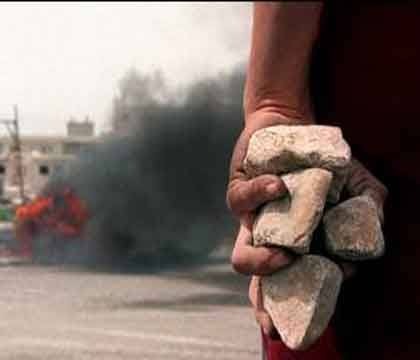




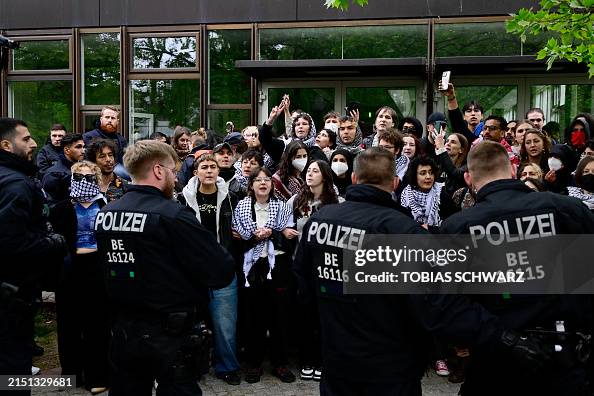

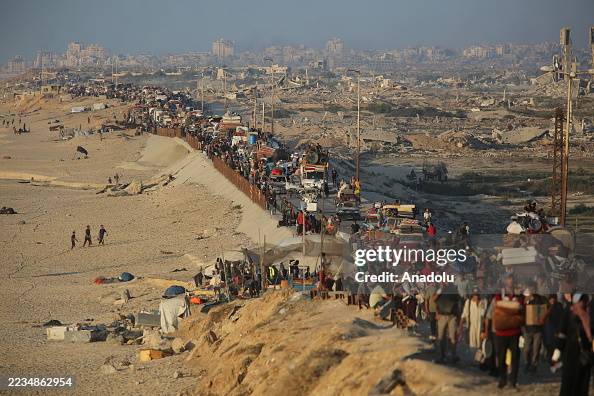


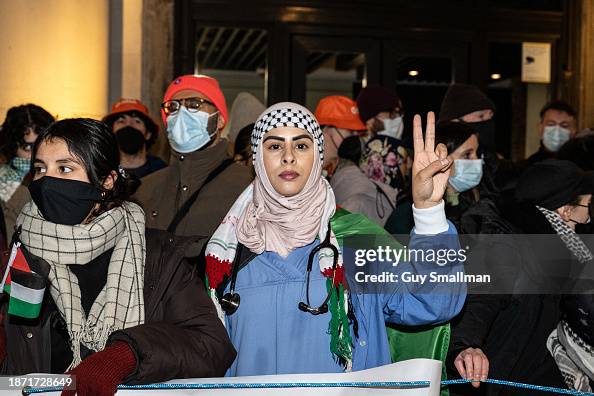

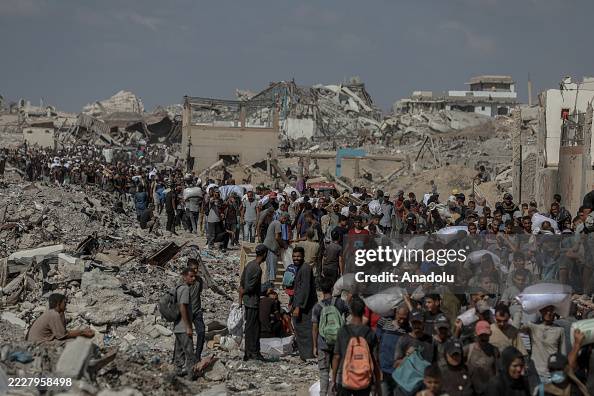

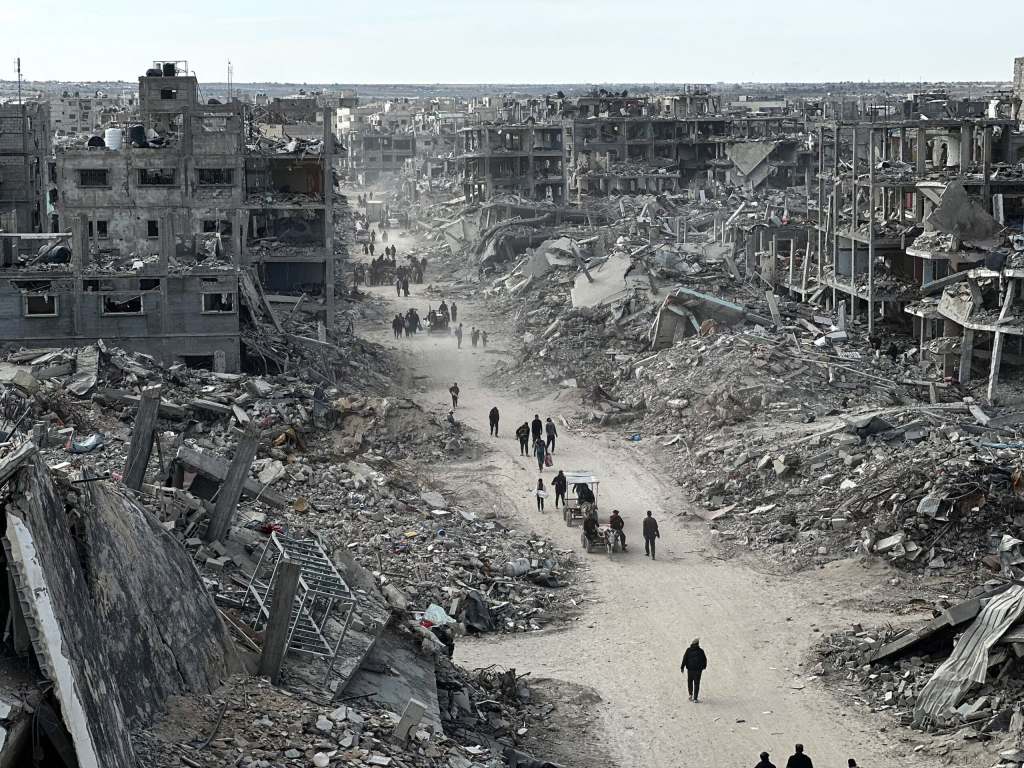



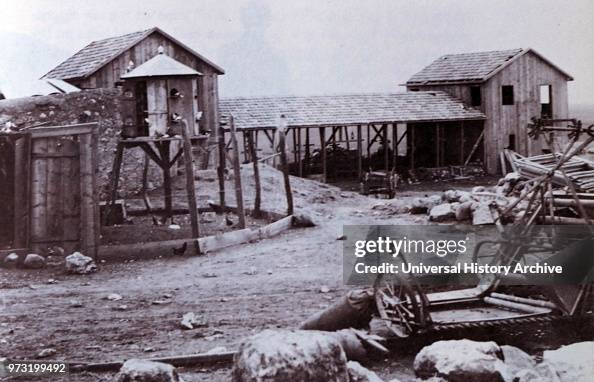



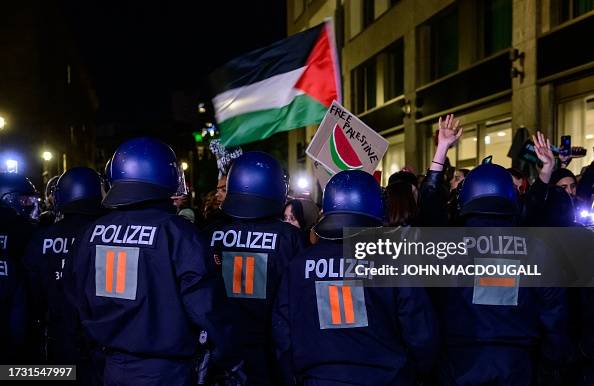
 tadamun