(Photo credit: @galalgoly) Our interest in Sudan should not stop at humanitarian concern. Sudanese people are not victims on a decontextualised humanitarian plane of existence; they are political agents. This has been clear since the 2018–2019 revolution, and in the continued refusal to normalize rule by armed factions. Since April 2023, both the Sudanese Armed Forces (SAF) and the Rapid Support Forces (RSF) have carried out widespread atrocities as they fight for power and try to crush the revolutionary demand for civilian rule. That refusal has been organized and sustained through the Resistance Committees (RCs) and the Emergency Response Rooms (ERRs). They have built community structures for survival and mutual aid, sharing resources among people, while the counterrevolution has tried to suffocate society through violence, siege, and dispossession.
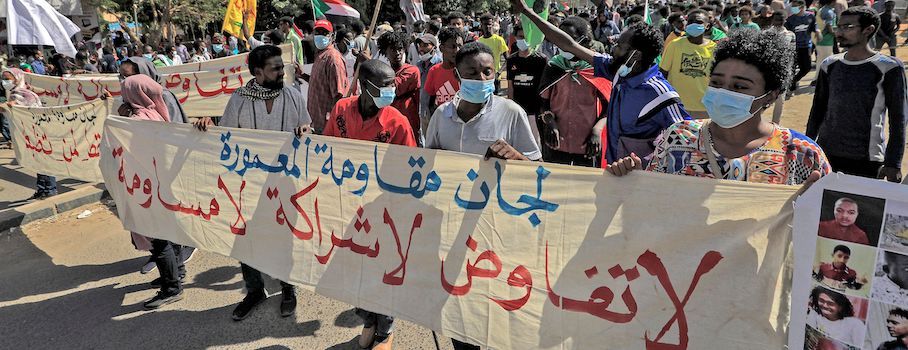
The opposition to militarization is summarized in the “Three No’s” against both the SAF and the RSF:
- No negotiations (لا تفاوض)
- No partnership (لا شراكة)
- No legitimacy (لا شرعية)
Solidarity, then, is a political commitment. It means understanding Sudan’s context, recognizing that our fates are closer to Sudanese struggles than to elites in our own societies. It means learning, supporting grassroots structures led by RCs and ERRs, and taking lessons from their determination., and adapting their organizing practices in our work here.
This article is published in anticipation of our next planned event: join us on Sunday, 18 January 2026, at 5:00 PM for a lecture series on Sudan with multiple speakers from Sudan, covering the history of Sudan, the revolution, and a South Sudan perspective.
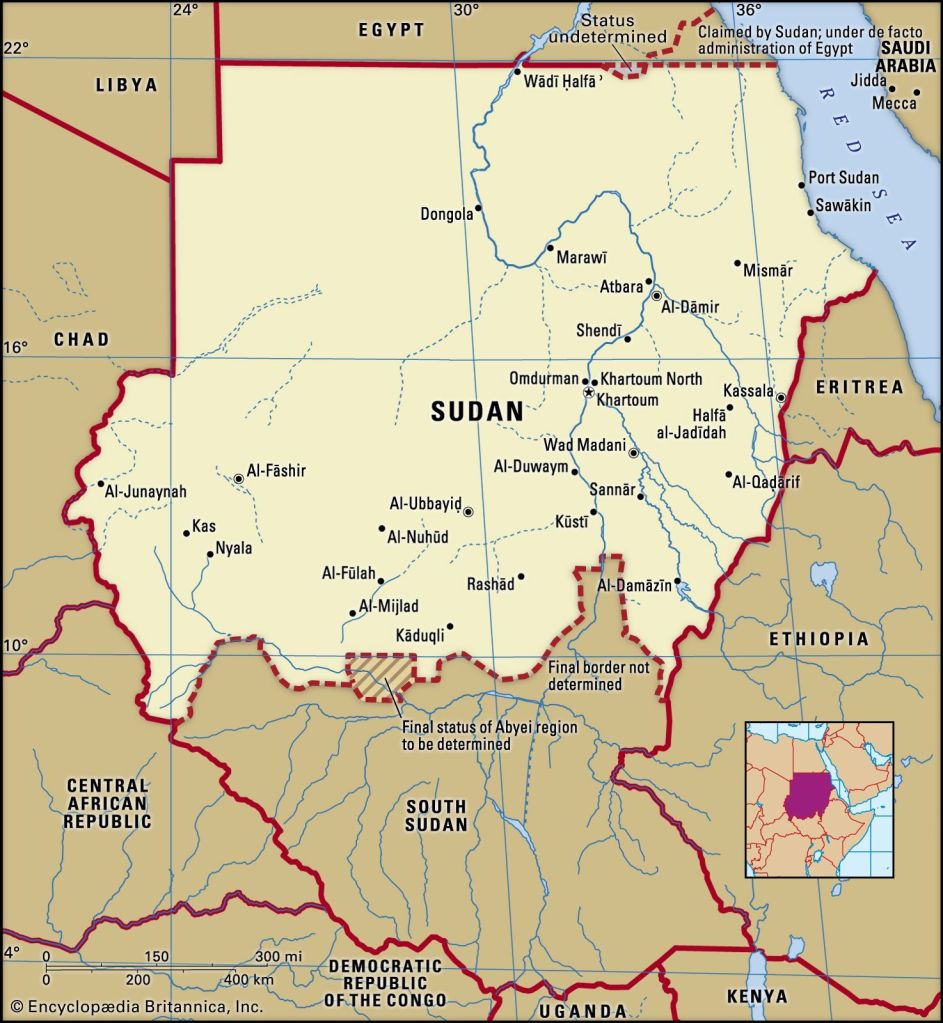
This article offers a timeline of key events in Sudan’s post-independence history. It is intended as a practical reference for understanding later developments—Sudan’s political transformations, the 2018/2019 revolution, and South Sudan perspectives.
For a detailed analysis of the Janjaweed/RSF, see Sudan: From Janjaweed to RSF. For an indepth discussion of the post-colonial structures that contributed to the Darfur war, see Sudan: Saviors and Survivors.
1956–1958: Independence; southern war already underway
- 1 January 1956: Sudan becomes independent.
- 1955–1972: First Sudanese Civil War begins with the 1955 mutiny and develops into an insurgency often associated with Anyanya in the 1960s.
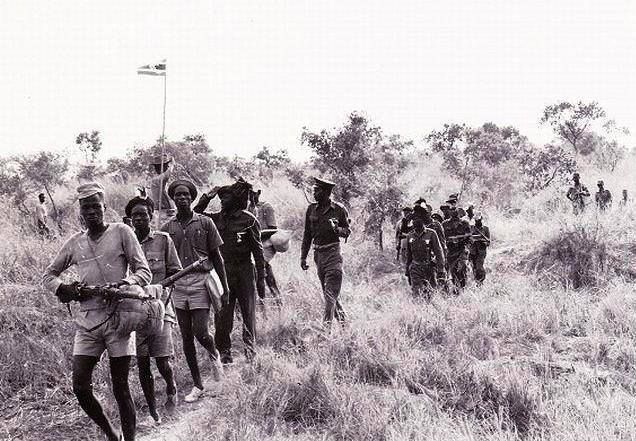
1958–1964: Abboud era; First Sudanese Civil War continues
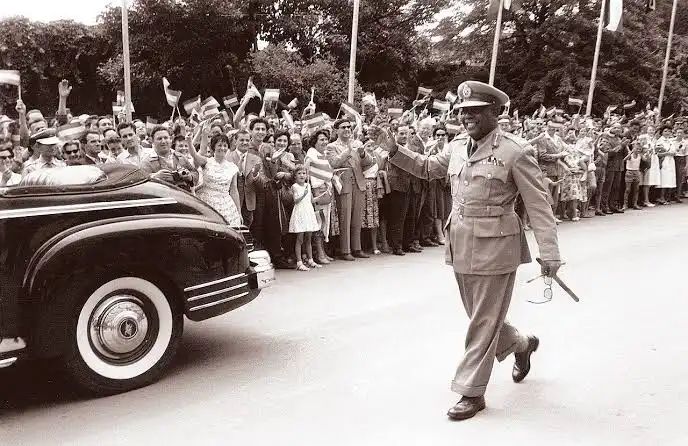
- 17 November 1958: Military coup installs Ibrahim Abboud.
- The First Sudanese Civil War continues through this period.
1964–1969: Civilian return; negotiations without settlement
- October 1964: Uprising ends Abboud’s rule; civilian politics returns.
- 1965: Round Table Conference convenes on the Southern Sudan question; it does not end the First Sudanese Civil War.
1969–1972: Nimeiry and the Addis Ababa settlement
- 25 May 1969: Coup ushers in Jaafar Nimeiry.
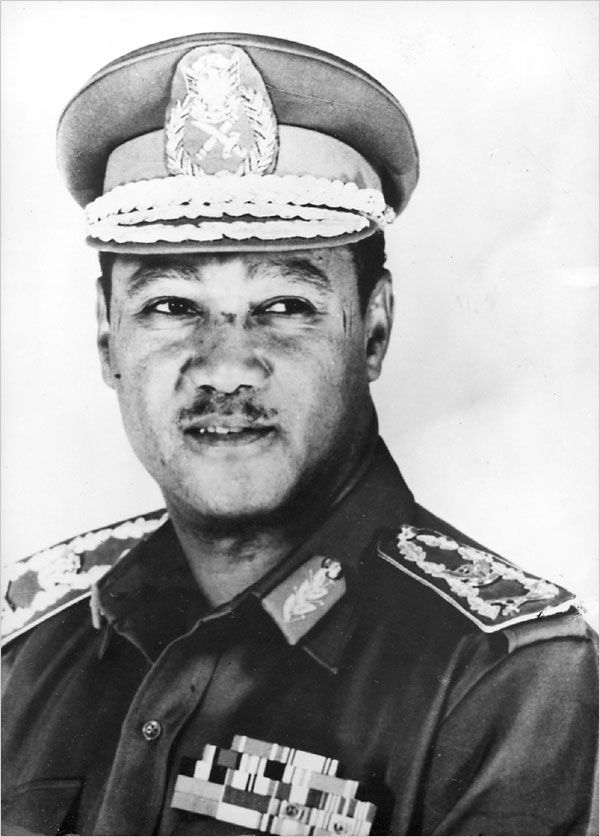
- 27 February 1972: Addis Ababa Agreement ends the First Sudanese Civil War and establishes a Southern Sudan Autonomous Region.
1972–1983: Autonomy period; settlement breaks down
- The autonomy framework created by the Addis Ababa Agreement persists but erodes and is later terminated as the state recentralizes.
1983–1985: Second civil war begins
- 1983–2005: Second Sudanese Civil War begins after termination of the 1972 autonomy settlement; the Sudan People’s Liberation Movement/Army (SPLM/A) forms as the key insurgent vehicle.
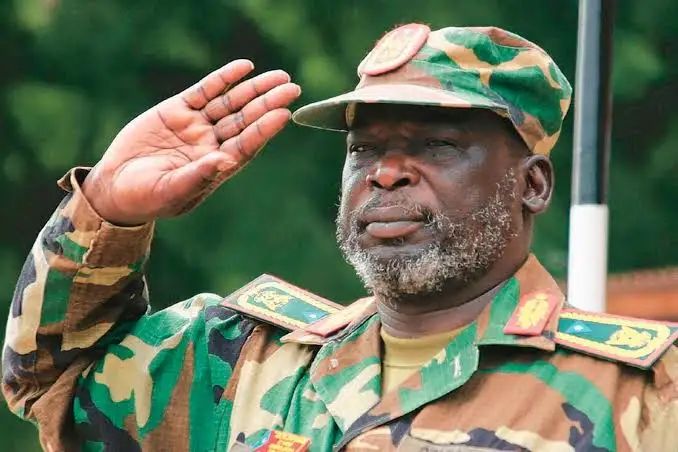
- Fighting extends beyond the south into Blue Nile and the Nuba Mountains.
1985–1989: Civilian interlude during the Second Sudanese Civil War
- April 1985: Nimeiry is removed; civilian politics returns briefly while the Second Sudanese Civil War continues.
1989–2005: Bashir era; civil war; Darfur war and Janjaweed; Comprehensive Peace Agreement
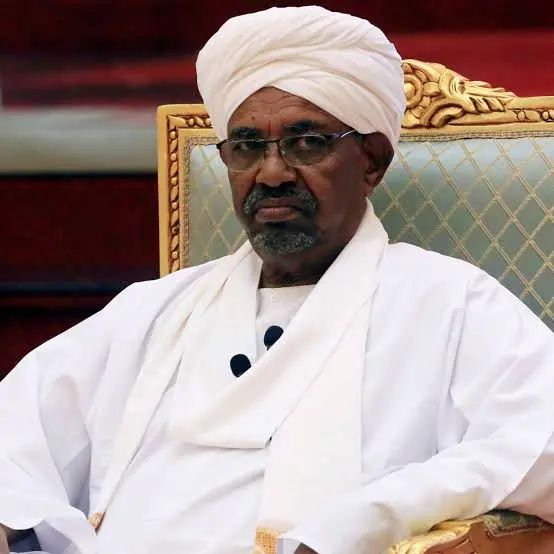
- 30 June 1989: Coup brings Omar al-Bashir to power.
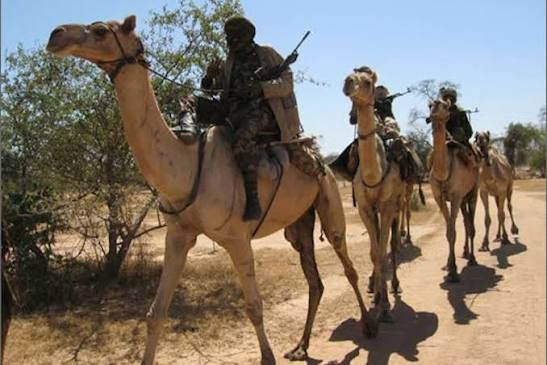
- 2003: War in Darfur begins; the government mobilizes and relies on militias commonly referred to as the Janjaweed to fight rebel movements, making them central to the conflict.
- 9 January 2005: Comprehensive Peace Agreement (CPA) ends the Second Sudanese Civil War and sets an interim period and timetable for a southern self-determination referendum.
2005–2011: Interim period; referendum; secession
- January 2011: South Sudan referendum is held under the CPA pathway.
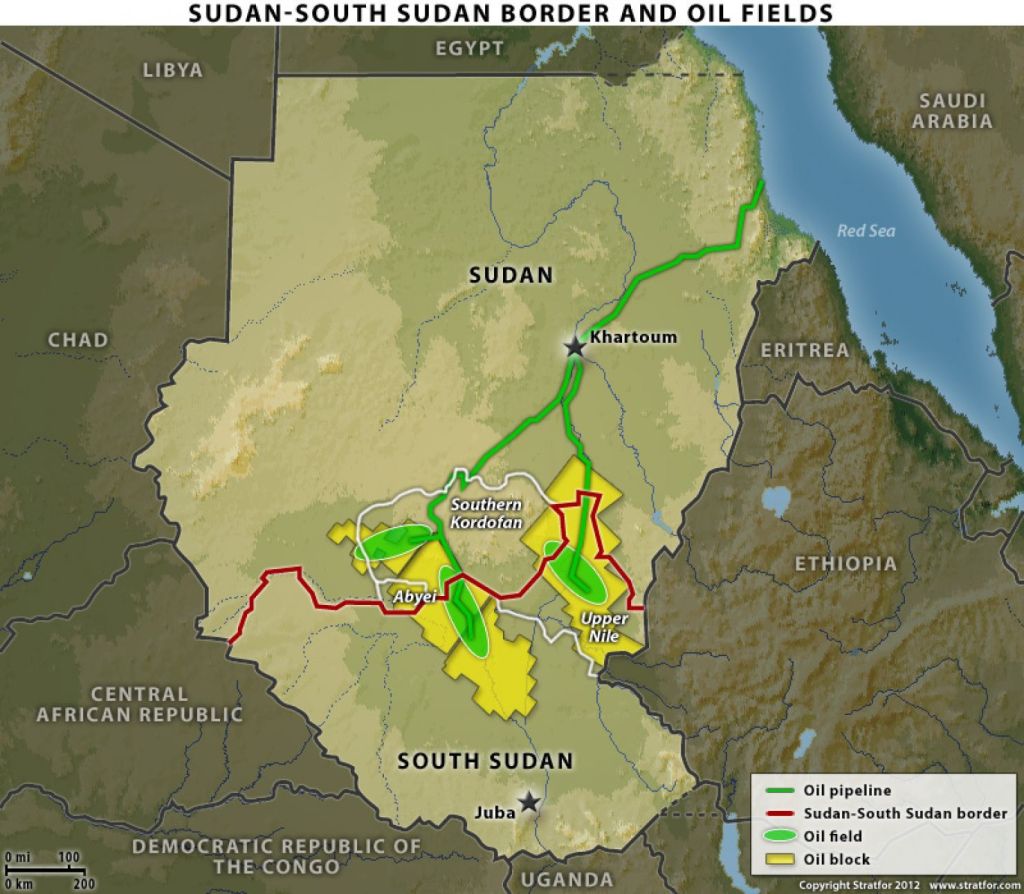
- 9 July 2011: South Sudan becomes independent. South Sudan now controls 75% of the oil reserves, while Sudan controls the controls the pipelines necessary to export the oil to the international markets.
2011–2018: Protests; Resistance Committees and Rapid Support Forces created
- 2011–2013: Protests in Sudan as part of the wider Arab Spring, in a country where mass uprisings had previously toppled governments in 1964 and 1985. Demonstrations surged in June 2012 after the government passed austerity plans.
- 2013: Resistance Committees (RCs) develop as neighborhood-based organizing networks, including during the September 2013 protest wave.
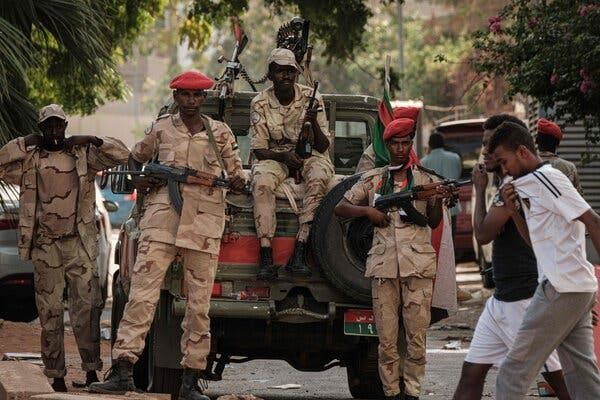
- 2013: The government establishes the Rapid Support Forces (RSF); with its roots to earlier Janjaweed networks, which operated alongside the Sudanese Armed Forces (SAF) during the Darfur war.
2018–2019: Uprising; Bashir removed; Khartoum sit-in massacre
- 19 December 2018: Uprising begins and spread nationally; RCs expand as organizing infrastructure.
- 11 April 2019: Bashir is removed by the military; the Transitional Military Council (TMC) is established as a transitional government headed by the SAF and the RSF.
- 1 January 2019: Forces of Freedom and Change (FFC) is established as a wide political coalition of civilian and rebel coalitions of Sudanese groups.
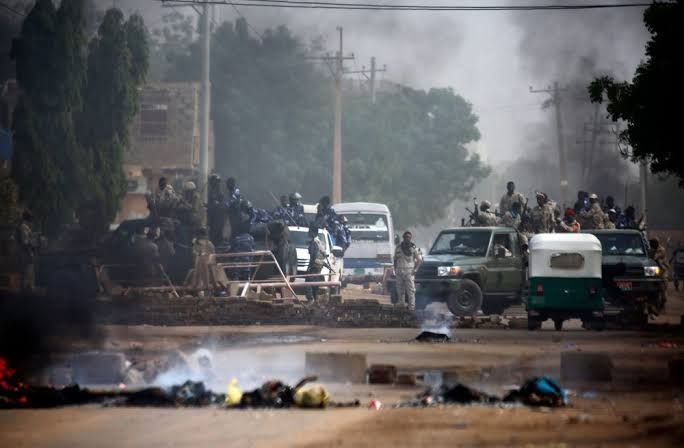
- 3 June 2019: Violent dispersal of the sit-in in Khartoum, resulting in mass killings and rapes, widely referred to as the Khartoum massacre. The operation involved TMC secutiy forces, the RSF and the SAF.
- 17 July 2019: The FFC enters a power-sharing agreement with the TMC, to oversee the transition towards a civilian-led democracy.
2021: Coup ends the transition; Resistance Committees mobilize
- 25 October 2021: Military coup ends the civilian-led transition; RCs help drive sustained protest mobilization.
2023–2025: War between Sudanese Armed Forces and Rapid Support Forces
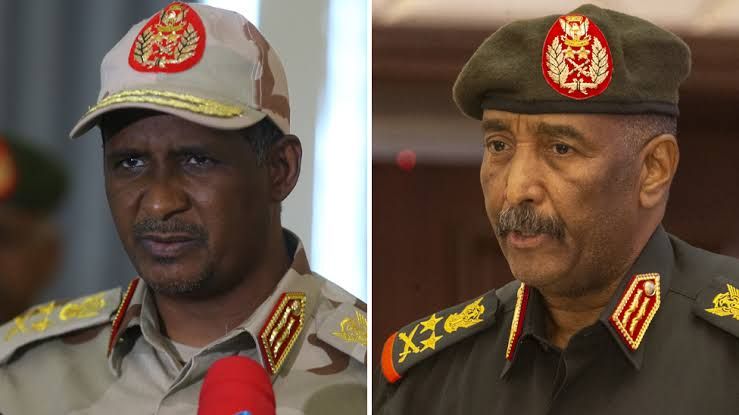
- 15 April 2023: War breaks out between the SAF, led by Abdel Fattah Abdelrahman Burhan, and the RSF, led by Mohamed Hamdan Dagalo (Hemedti).
- 15 April 2023 – 20 May 2025: Battle of Khartoum was the longest continuous battle in Sudanese history and the longest battle ever fought in an African capital, marked by gruelling urban warfare. It was also one of the deadliest recorded battles in Sudanese and African history, with over 61,000 deaths.
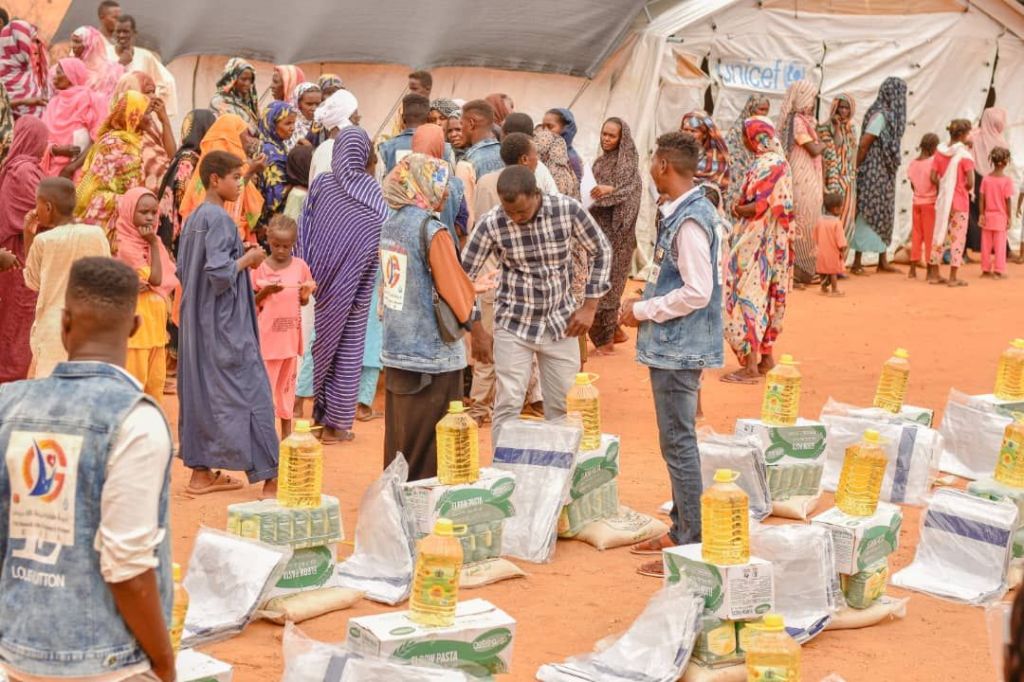
- Emergency Response Rooms (ERRs) are formed by the RCs to provide humanitarian aid. They help evacuate civilians and supply essential resources such as clean water and medical supplies. They also run community kitchens that feed millions and address the food shortages caused by the war. They respond to cases of sexual violence as well.
2025-Ongoing: Fall of El Fasher
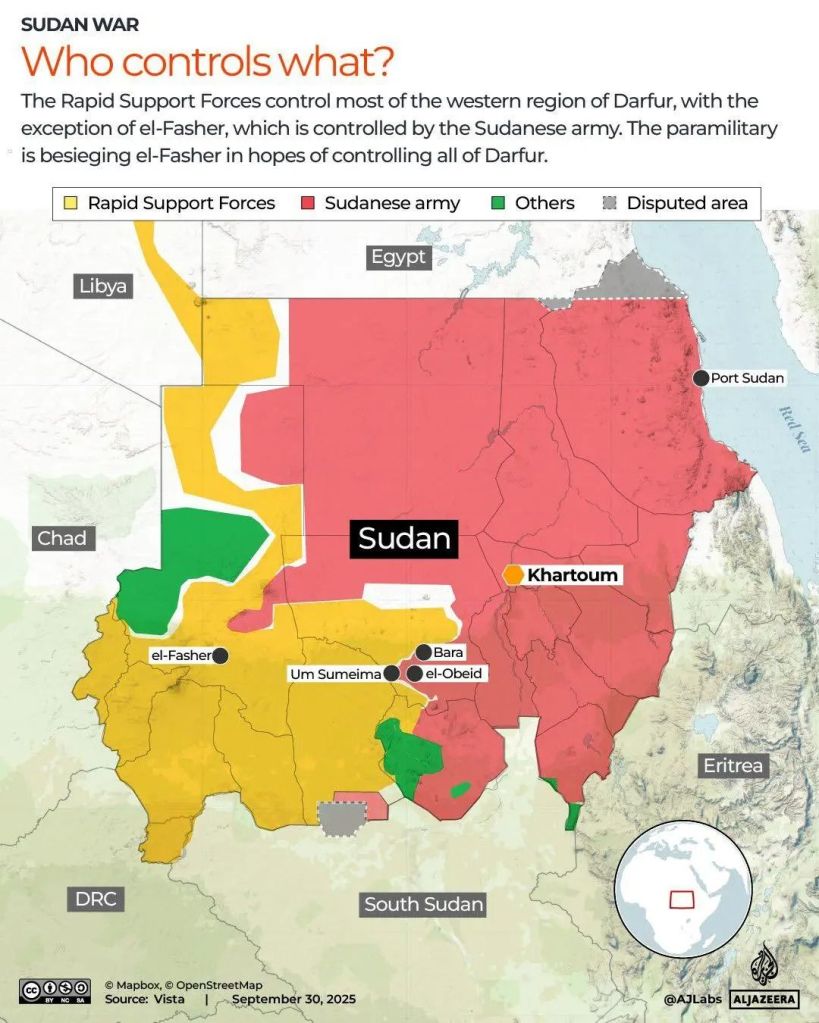
- October 2025: El Fasher (Al-Fashir), the capital of north Darfur, falls to the RSF after more than 500 days under siege. The siege brought famine and devastation to the city, with indiscriminate shelling and drone attacks by both sides. Videos later emerged showing the RSF engaged in ethnic cleansing of local residents, targeting people based on ethnic background or alleged allegiances to the SAF. Members of the RCs and the ERRs have been systematically targetted.
- Sudan has become the world‘ largest hunger crisis: More than 11 million have been displaced, 400,000 killed. More than 4 million have fled to Chad, Ethiopia, South Sudan and Egypt. More than 30 million are in need of humanitarian aid.
Read more about Sudan
If you like our work, please subscribe!

Hinterlasse einen Kommentar